Hidden Threats in Our Gardens Endanger Blue Tits and Other Familiar Birds
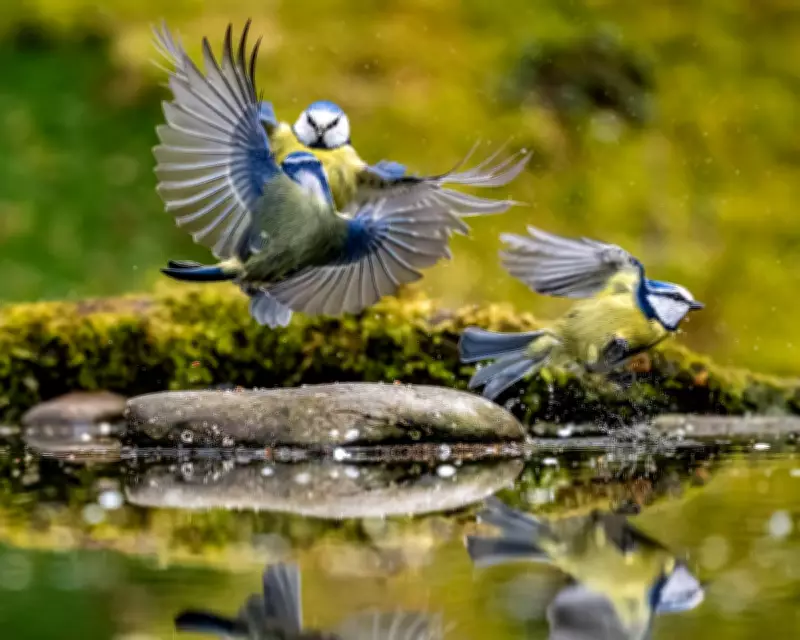
While blue tits remain a familiar and cherished sight in British gardens, new scientific research reveals they face growing hidden dangers in the very spaces we consider safe havens. As these feisty birds gear up for nesting season with their distinctive songs, they confront unexpected hazards from everyday gardening practices and well-intentioned pet care.
Pesticide Use Linked to Dramatic Bird Population Declines
Research funded by SongBird Survival has uncovered alarming connections between common gardening choices and bird population declines. Approximately one-third of UK gardeners regularly use pesticides, creating invisible threats throughout garden ecosystems. The studies found particularly stark evidence with house sparrows, whose numbers were nearly 40% lower in gardens where the pesticide metaldehyde was used.
Reducing pesticide application represents one of the most effective ways to encourage birds back into outdoor spaces, as many species rely on invertebrates like slugs and snails as natural prey. Beyond simply cutting back on chemicals, gardeners can create safer environments by planting shrubs and flowers that provide natural food sources throughout the year.

Supplementary Feeding and Unexpected Pet-Related Dangers
While many bird enthusiasts supplement natural food sources with feeders, research suggests this practice can unintentionally increase disease transmission among garden birds. Natural planting strategies that provide year-round sustenance offer a safer alternative that supports avian health without encouraging disease spread.
Perhaps more surprisingly, the research has revealed unexpected risks from household pets. Many well-meaning pet owners leave fur from recently groomed animals for birds to use in nest building, unaware that this seemingly helpful gesture introduces hidden toxins. Analysis of blue tit and great tit nests discovered residues of highly toxic pesticides from pet flea treatments, creating another unseen hazard within the garden environment.
Simple Changes Can Restore Birdsong to British Gardens
Sue Morgan, CEO of SongBird Survival, emphasizes that small adjustments in gardening practices and pet care can make significant differences for bird populations. "If we want our gardens to keep ringing with birdsong," Morgan notes, "we need to recognize how our everyday choices affect the wildlife sharing our spaces."
The research underscores that gardens, while appearing as safe refuges, can harbor multiple threats to blue tits and other garden birds. From pesticide reduction to reconsidering how we manage pet grooming products, conscious choices at the individual level collectively contribute to healthier bird populations and the preservation of the familiar birdsong that marks British springtimes.