Cycads Heat Up for Sex: Ancient Plants' Ingenious Beetle Attraction
Cycads are ancient palm-like plants that first appeared an astonishing 275 million years ago, long before flowering plants evolved on Earth. These prehistoric survivors are not only among the oldest known seed plants but also represent the earliest known instance of insect pollination in the plant kingdom. Despite their ancient origins, cycads have developed a remarkably sophisticated and ingenious method to advertise themselves to pollinating beetles: they literally heat up for sex.
The Heating Mechanism of Cycads
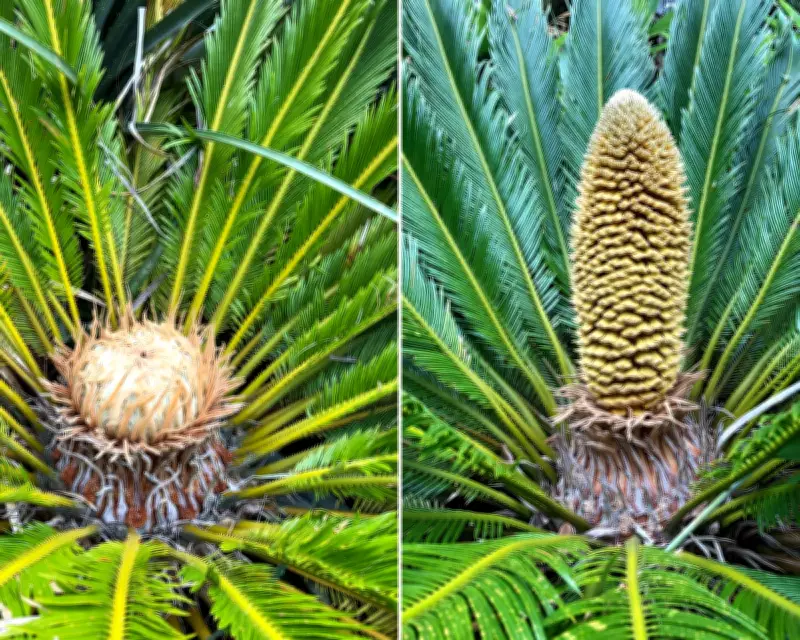
Cycads have separate male and female plants, with their reproductive organs held on distinct cones. When these cones are ready for reproduction, they can warm up by more than 10 degrees Celsius above their surrounding environment. This temperature increase is achieved by cranking up their metabolism, utilizing a dense array of energy-producing mitochondria within the plant tissues. This heating process is a critical part of their reproductive strategy, serving as a signal to attract specific pollinating insects.
Exclusive Beetle Partnerships
Each cycad species has its own exclusive species of pollinating beetle, forming a highly specialized and co-evolved relationship. These beetles are equipped with special infrared sensors in their antennae, which are apparently tuned to detect the exact temperature range emitted by their host cycad. Using these advanced sensors, the heat-seeking beetles can locate the cycad cones even in the dark of night, ensuring precise pollination.

Timed Pollination Strategy
To maximize pollination success, cycads have developed a timed heating strategy. Male cones reach their peak temperature approximately three hours before the female cones warm up. This staggered heating entices the beetles to visit the male cones first, where they collect pollen. The beetles then move on to the female cones as they heat up, facilitating fertilization. This coordinated timing ensures efficient pollen transfer and reproductive success for these ancient plants.
Significance of Cycad Reproduction
The heating signal used by cycads is believed to be one of the oldest known signals in plants for attracting pollinating insects. This adaptation highlights the evolutionary ingenuity of cycads, which have persisted for millions of years by developing complex interactions with their pollinators. The study of cycad reproduction offers valuable insights into the early evolution of plant-insect relationships and the survival strategies of ancient flora in changing environments.