As winter tightens its grip and the RSPB's annual Big Garden Birdwatch 2026 draws near, UK households are being encouraged to support their local avian visitors without straining their wallets. The event, a cornerstone of citizen science, is scheduled for January 23 to 25, 2026, offering a crucial snapshot of the nation's garden bird health.
Preparing Your Garden for Feathered Guests
The period from late winter into early spring is known as the 'hungry gap', a time when natural food sources like berries and insects become scarce. Birds, already burning precious fat reserves to stay warm and prepare for breeding, rely heavily on supplementary feeding. Providing food, water, and shelter is key to making your garden a bird-friendly haven.
Avoid using insecticides, as they remove the insects many birds depend on. A simple bird bath or shallow dish of water, kept ice-free, is a fantastic starting point. Ensure birds feel safe by offering natural cover from shrubs or trees, or by positioning feeders near escape routes.

Smart Shopping for Feeders and Food
Investing in a feeding station can organise your setup and deter squirrels. Brands like iBorn offer a sturdy station from £18.88 on Amazon, though simpler solutions like hanging feeders from trees work too. Crucially, the RSPB now advises against using traditional bird tables, as horizontal surfaces can spread avian diseases.
When it comes to food, sunflower hearts are the undisputed champion for attracting a wide variety of species, from tits and finches to sparrows. While prices vary, buying in bulk offers significant savings. A 12.55kg bag from Garden Wildlife Direct works out at roughly £1.71 per kilogram, compared to £7.99 for a 1kg bag elsewhere.
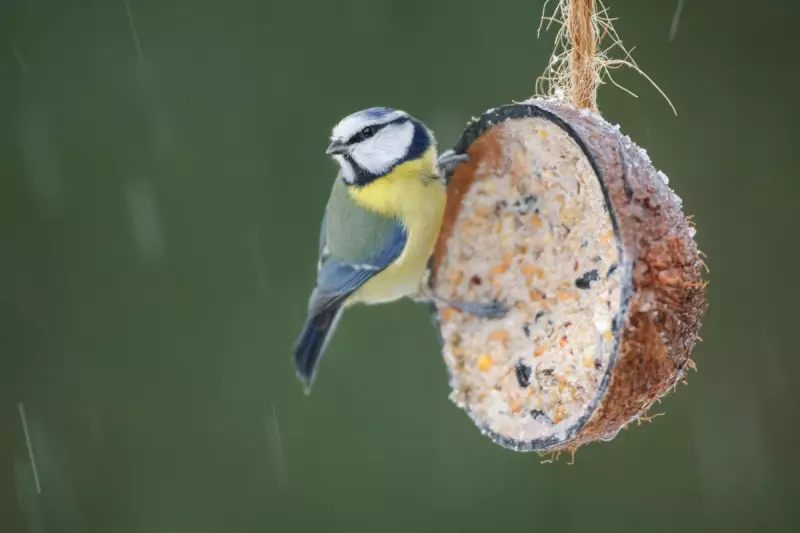
Other cost-effective options include peanuts (always in a feeder) and quality fat balls. Avoid cheap seed mixes bulked with wheat, which most birds will ignore. For those making their own suet treats, Garden Wildlife Direct sells ingredient mixes. Remember: never leave fat balls in their plastic netting, as it poses a serious hazard to small birds.
Participating in the Big Garden Birdwatch 2026
Taking part in the Birdwatch is straightforward and contributes to vital conservation data. First, register on the RSPB website to receive a free guide and a 20% discount on food and feeders from their shop. Then, between January 23 and 25, spend one hour watching a defined area like your garden.
Only count birds that land, not those flying over. For each species, record the highest number you see at one time. If you see four blue tits together, note four. If you later see two, your count remains four. Submit your results online to help the RSPB monitor species trends.
The Critical Importance of Feeder Hygiene
This point cannot be overstated: attracting birds requires responsible stewardship. Poor hygiene at feeding stations can lead to devastating disease outbreaks. Clean your feeders regularly, clear away mouldy or discarded food, and avoid leaving large quantities out to rot. Protecting local populations, especially of finches, is a key duty for every bird lover.
By following this guidance, you can enjoy the profound pleasure of supporting wildlife, contribute to essential science during the Big Garden Birdwatch 2026, and ensure your garden remains a safe, welcoming sanctuary throughout the winter.