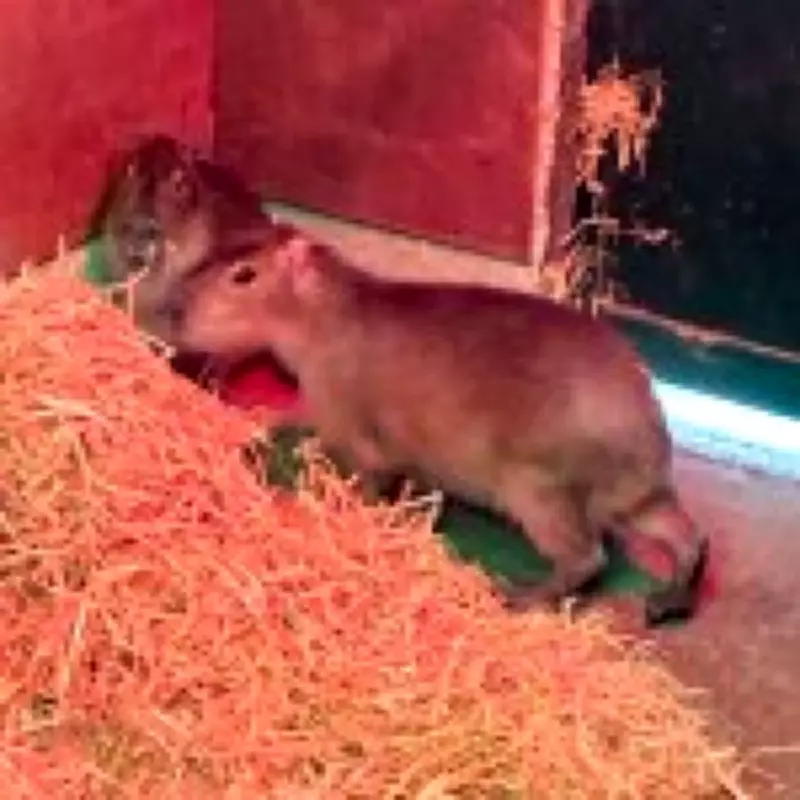
Capybara Samba on the Run After Dramatic Escape from Marwell Zoo in Hampshire
Residents in Hampshire are on high alert as a fugitive capybara named Samba continues to evade capture after escaping from Marwell Zoo earlier this week. The large rodent, one of the world's biggest, made a daring breakout just one day after arriving at the zoo from Jimmy's Farm & Wildlife Park on Monday.
Escape and Immediate Aftermath
Samba and her companion Tango were being housed in a temporary enclosure while awaiting completion of their permanent habitat, which includes a specially designed pond "made for capybara life." Despite these preparations, the pair managed to escape on Tuesday. While Tango was quickly recovered from nearby bushes, Samba remains at large, sparking an intensive search operation.
The escaped capybara was last spotted on Wednesday night in Owlslebury, a village approximately two miles north of the zoo. Marwell Wildlife, the charity that operates the zoo, has distributed missing posters describing Samba as "not dangerous but could be stressed" and has asked the public to immediately report any sightings with her precise location.

Public Safety Advisory and Search Efforts
In a Facebook statement, Marwell Wildlife emphasized that while capybaras are "intelligent, gentle animals" that pose no risk to humans, the public should avoid approaching Samba or disturbing potential hiding spots to prevent causing her additional stress. "Under no circumstances should a member of the public try to capture her by themselves," the charity warned.
Police have been notified of the escape, and zoo teams have been combing the area overnight in an attempt to locate the missing rodent. As of the latest updates, there has been no confirmed sighting or capture, though search efforts continue around the clock.
Understanding Capybaras
Capybaras are native to South America and can grow up to four feet in length. These plump, mellow rodents have gained significant popularity in recent years, with their gentle nature and distinctive appearance making them internet sensations. In some countries like Japan, special cafes allow visitors to feed carrots to these charismatic creatures.
Typically found near bodies of water, capybaras spend their days grazing on grasses and aquatic plants. Their semi-aquatic lifestyle makes the pond in their planned Marwell Zoo enclosure particularly suitable for their natural behaviors.
Zoo's Commitment to Animal Welfare
Marwell Wildlife has reiterated that animal welfare remains their "highest priority" and that their team is working diligently to bring Samba back safely. The two female capybaras were originally moved to Marwell Zoo to complete quarantine and acclimate to their new surroundings before transitioning to their permanent habitat.
The zoo had planned to introduce the capybaras to their completed enclosure, complete with the specially designed pond, once they had settled into their temporary quarters. This escape has temporarily disrupted those plans as resources are redirected toward the recovery operation.
As the search for Samba continues, authorities remind the public that while capybaras are generally harmless, they are still wild animals that should be handled only by trained professionals. Anyone who spots the missing capybara should contact Marwell Zoo immediately with location details while maintaining a safe distance.