
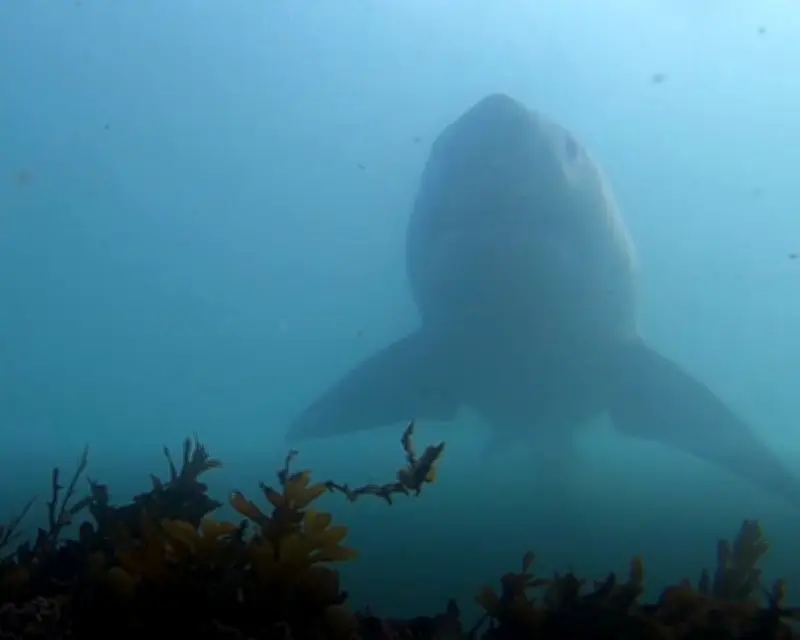
California is set to experience one of its sharkiest summers in a decade as large numbers of juvenile great white sharks migrate north from the warm waters of Mexico, driven by the El Niño climate phenomenon. Scientists say swimmers and surfers are likely already sharing beaches with these predators, often without knowing it.
Early sightings and El Niño connection
Dr Chris Lowe, director of the Shark Lab at California State University Long Beach, reported an unprecedented early appearance of baby white sharks. "We started seeing baby white sharks in February, which we've never seen before. Usually that happens in April," he said. The primary driver is El Niño, which was confirmed by the National Oceanic and Atmospheric Administration (NOAA) in early June and is expected to be particularly strong this year.
El Niño warms Pacific waters, causing cold-water species like great whites to move north or into deeper waters. Lowe noted that similar conditions in 2015, an El Niño year coinciding with the marine heatwave known as the "Blob," led to twice as many white sharks along the California coast. A subsequent trip to Baja California revealed that fishers had seen almost no sharks in Mexican waters that summer, confirming the migration pattern.
Juvenile sharks and their behavior
Adult great whites can reach 10 to 20 feet in length, but most sharks off California are juveniles. Born at about 5 feet, juveniles range from 6 to 9 feet and spend much of their time close to shore in shallow waters where prey like stingrays, fish, and squid are abundant. Lowe expects other subtropical species to follow, including smooth hammerhead sharks, bull sharks, and tiger sharks, as they pursue mahi mahi and other warm-water fish that replace the usual squid, anchovies, and sardines.
Conservation measures and human interactions
The California Department of Fish and Wildlife has taken steps to protect both sharks and beachgoers. Emergency regulations passed last month prohibit certain fishing gear on beaches and piers to prevent accidental hooking of white sharks, which are fully protected and illegal to catch. John Ugoretz, a pelagic fisheries and ecosystems program manager, noted an increase in human-shark interactions, including illegal fishing for white sharks. A hooked shark on modern equipment can become dangerous, potentially cutting through lines and posing risks to swimmers.
Ugoretz added that El Niño years see larger aggregations of white sharks that move further north toward Santa Cruz and Monterey Bay and stay later into the year. He expressed concern about the potential for hooked sharks to injure people, though he emphasized that shark bites remain rare.
Shark incidents remain rare
Since 1950, California has recorded fewer than 250 shark incidents across all species, with only 17 fatalities. More than 85% of those incidents involved white sharks. Despite increasing shark populations due to conservation measures, Lowe said the likelihood of bites has not risen. "We always assumed that the more sharks and the more people you put together, the higher the likelihood of bites. But what we're seeing in California is actually the opposite," he said. He attributes this to sharks learning that humans are not prey.
Ugoretz compared a white shark sighting to seeing a mountain lion or bear on a hike—rare and a sign of a healthy ecosystem. Lowe, who swims daily with white sharks based on drone data, said, "I swim with these white sharks every day, and I have no qualms doing it. They've learned that we're not food." While occasional bites do occur, often attributed to mistaken identity, they are extremely uncommon given the number of sharks and beachgoers.



