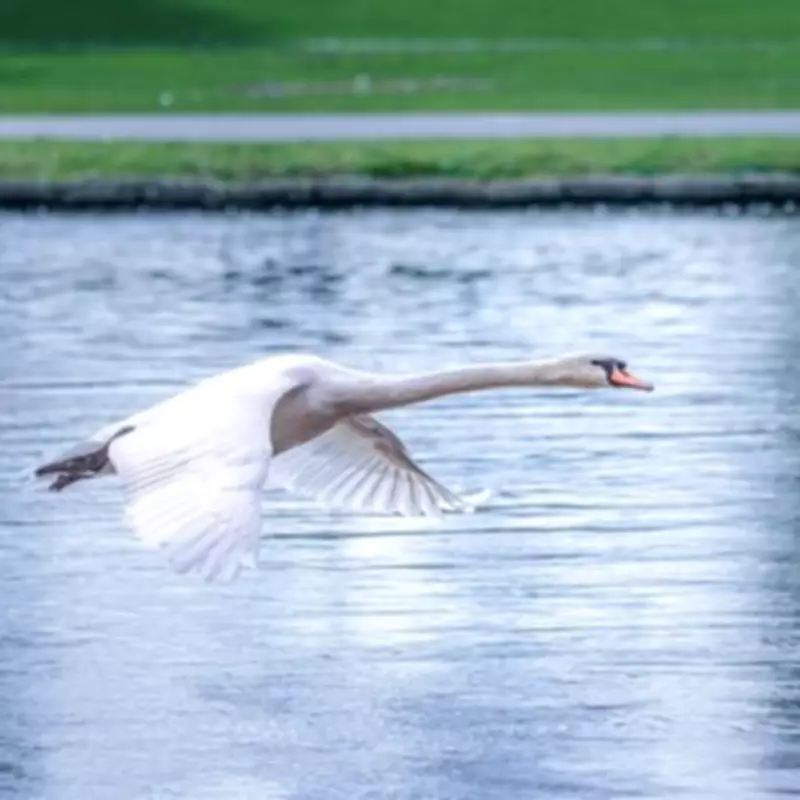
Bird Flu Outbreak Fears Intensify as 30 Dead Swans Discovered in East London Waterways
Authorities have issued a significant public health alert following the discovery of at least thirty deceased swans in waterways across East London. The alarming find, which occurred over the weekend of February 21-22, has sparked immediate concerns regarding a potential avian influenza outbreak in the capital.
Discovery and Immediate Response
A total of thirty dead swans were systematically collected from the West India and Millwall Docks, located in the vicinity of Canary Wharf and the Isle of Dogs. The Canal and River Trust, in close collaboration with the Department for Environment, Food and Rural Affairs (Defra), has initiated a comprehensive investigation. Specialist teams have been deployed to remove the carcasses from the water as testing procedures commence to confirm the presence of the bird flu virus.
Ben Macmillan, an ecologist with the Canal and River Trust, provided a stern warning to the public: "To limit the potential spread of this suspected avian flu outbreak, we urgently advise members of the public not to touch any dead birds they encounter. Instead, they must report such findings directly to Defra on the dedicated helpline: 03000 200 301."

Understanding Bird Flu Risks and Human Symptoms
While avian influenza primarily affects bird populations and poses a very low risk to general human health according to the UK Health Security Agency, the virus has had a devastating impact on UK bird species over the past five years. However, transmission to humans is possible through close contact with infected birds.
The National Health Service outlines that human symptoms of bird flu can manifest similarly to severe influenza and include:
- A very high temperature or sensations of feeling hot and cold, accompanied by shivering.
- A persistent cough and a sore, irritated throat.
- A runny or completely blocked nasal passage.
- Wheezing, frequent sneezing, and noticeable shortness of breath.
- Red, painful, and irritated eyes, a condition known as conjunctivitis.
Medical professionals emphasize that anyone exhibiting these symptoms after recent contact with potentially infected or dead birds should seek immediate medical advice. Diagnosis typically involves a nose or throat swab sent for laboratory analysis, with patients required to isolate until results are confirmed.
Critical Prevention Measures for the Public
Health authorities have reiterated essential guidelines to prevent infection. The foremost recommendation is to avoid handling any birds, especially if there is a suspicion of illness. If contact is unavoidable, thorough handwashing with soap and water is imperative.
Additional preventive steps include:
- Avoiding surfaces potentially contaminated with bird droppings.
- Steering clear of farms and live animal markets in regions with known outbreaks.
- Exercising caution with raw egg, duck, and poultry products, as improper handling or consumption can facilitate transmission.
Defra continues to monitor this developing situation in East London closely and remains committed to funding global research initiatives aimed at understanding and combating avian influenza strains. The discovery of these swans underscores the ongoing challenge of wildlife disease management in urban environments.