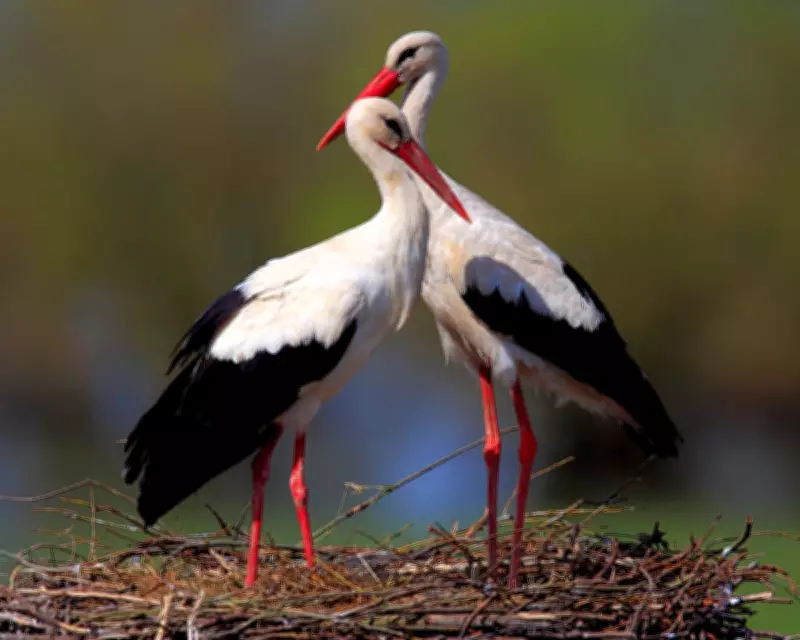
A pair of white storks on their nest at the Biebrza marshes in Poland presents a scene of homely clatter, but the park offers far more: a jaw-dropping bounty of wildlife that sets the mind racing and reminds visitors of what Britain has lost.
An Abundance of Life
Visiting Biebrza National Park, one might question if a mistake was made, not due to regret but because the experience is overwhelming. In a single day, more bird species are encountered than in a year at home in Britain. A young elk, all gangle and improbable proportions, appears. Kneeling before a clump of lady's slipper orchid in ostentatious bloom among Solomon's seal and a carpet of lily of the valley is a humbling experience. The constant soundtrack of cuckoos and golden orioles fills the air, and watching the sunset from a wood-fired hot tub while listening to corncrakes as bats emerge and a beaver cruises past is unforgettable.
Spectacular Interactions
From an observation tower, within minutes, three species of marsh tern hover like precision-engineered angels, tweezing insects from the water's surface. A white-tailed eagle hunts greylag geese, then settles with its mate in a dead tree to watch a train of common cranes in the field below meeting a lone fox. The cranes leap as if in mock surprise before going unconcernedly on their way. This is ecology writ large—a spectacular of interaction and a devastating demonstration of what has been lost in the UK, where diversity and abundance have been drained for productivity and profit.

The River's Role
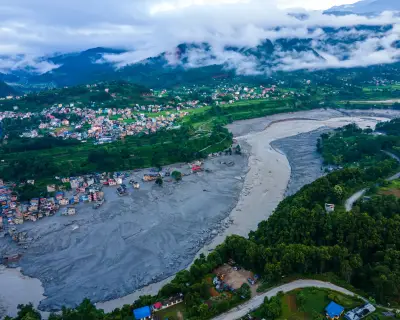
Feeding everything in the Biebrza marshes is the eponymous river, looping its elaborate signature across the land with meanders and oxbows cast off like old skins. The channel runs perpetually through impressions of its former self. From a satellite image, these erstwhile connections are obvious, but on the ground, it is hard to make sense of them. The river appears as a protean thing, its water somehow both swift and still, deep and shallow, dark and bright.
A Personal Revelation
One evening, slipping into the river to swim the quarter mile from a cabin to dinner reveals another revelation. The peaty bed makes the water look black from above, but it is perfectly clear. In it, thoughts clarify: what had started to feel like a depressing comparison is in fact a necessary recalibration. The experience underscores the need to restore such ecosystems in Britain.
Under the Changing Skies: The Best of the Guardian's Country Diary, 2018-2024, is available now.