Australia Moves to Limit Rat Poison Sales Amid Wildlife Concerns
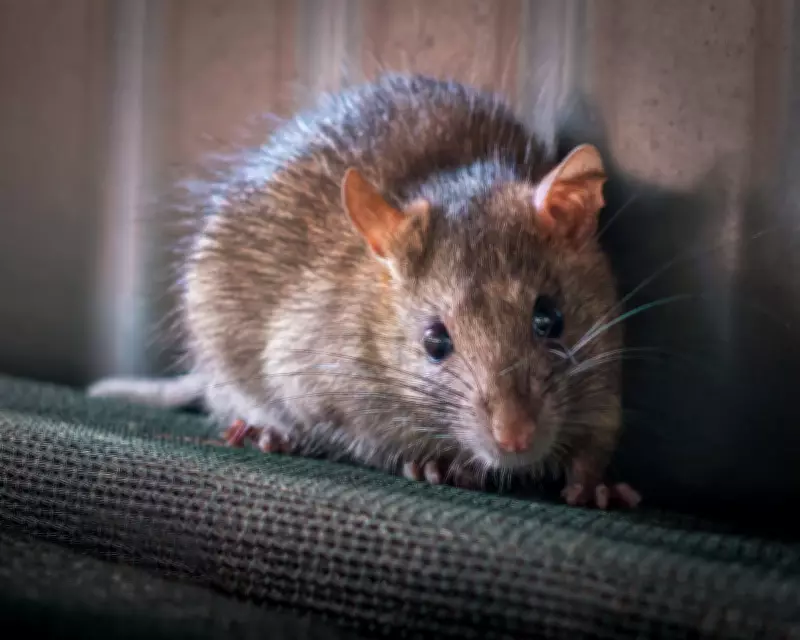
In a significant environmental initiative, Australian regulatory bodies are actively considering restrictions on the sale and use of rat poisons across the nation. This potential policy shift stems from mounting evidence that these rodenticides are causing unintended harm to native wildlife populations, particularly through secondary poisoning effects.
Growing Evidence of Ecological Impact
Scientific studies and wildlife monitoring programs have documented numerous cases where predatory birds and mammals are being poisoned after consuming rodents that have ingested toxic baits. Species such as powerful owls, wedge-tailed eagles, and various marsupial carnivores are among the most affected. These animals play crucial roles in maintaining ecological balance, and their decline could have cascading effects on Australia's unique ecosystems.
The proposed restrictions would primarily target second-generation anticoagulant rodenticides, which are particularly persistent in animal tissues and pose greater risks to non-target species. These chemicals can remain active in poisoned rodents for extended periods, creating a dangerous food chain effect that extends far beyond the intended pest control targets.

Regulatory Review and Stakeholder Consultation
Australian pesticide authorities have initiated comprehensive reviews of current regulations governing rodenticide availability. This process involves consultation with environmental scientists, wildlife rehabilitation centers, agricultural representatives, and pest control industry stakeholders. The goal is to develop balanced regulations that address public health needs while minimizing ecological damage.
"We're seeing increasing evidence that these poisons are moving through food webs in ways we didn't fully anticipate," explained one environmental scientist involved in the review process. "Native predators are particularly vulnerable because they specialize in hunting rodents, making them likely to consume multiple poisoned animals."
Potential Implementation and Alternatives
If implemented, the restrictions could take several forms:
- Limiting sales to licensed pest control professionals only
- Requiring secure bait stations that prevent access by non-target animals
- Implementing stronger labeling requirements and public education campaigns
- Promoting integrated pest management approaches that reduce reliance on chemical controls
Wildlife advocates emphasize that numerous effective alternatives exist, including improved sanitation practices, exclusion methods to prevent rodent entry, and the use of snap traps that don't create secondary poisoning risks. Some regions have already implemented local restrictions with promising results for wildlife recovery.
Broader Environmental Implications
This regulatory consideration reflects growing awareness of how human pest control practices intersect with broader conservation goals. As Australia faces multiple environmental challenges, including habitat loss and climate change impacts, protecting native predators becomes increasingly important for maintaining ecosystem resilience. The outcome of this review could set important precedents for how Australia balances agricultural and urban needs with wildlife protection in the coming years.