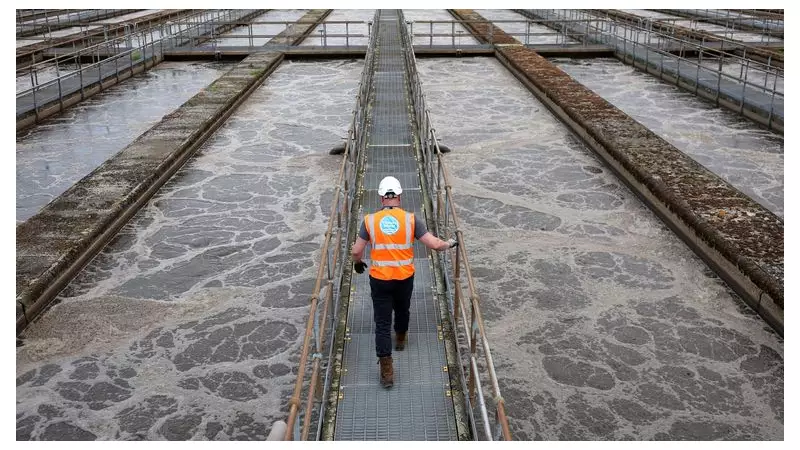
The government has pledged there will be "nowhere to hide" for underperforming water companies as it unveils a sweeping set of reforms described as a "once-in-a-generation" overhaul of the sector in England and Wales.
Proactive 'MOTs' to Replace Reactive Failures
Central to the new plans, outlined in a White Paper, is a shift from reacting to crises to preventing them. Water companies will be subject to proactive "MOT"-style health checks on their infrastructure. This aims to identify problems with pipes and sewage treatment works before they fail, seeking to avoid repeats of recent incidents where taps ran dry in parts of Kent and Sussex.
Environment Secretary Emma Reynolds told Sky News the reforms would move away from a system where "water companies mark their own homework." The current regulator, Ofwat, will be abolished and replaced with a new, more powerful single regulator. A new chief engineer role within this body will reintroduce hands-on checks of water infrastructure, a practice not seen for two decades.
A Response to Public Fury and Failing Confidence
The legislative push comes amid intense public anger over rising bills, chronic sewage pollution, and large executive payouts, while the physical network crumbles. Trust in the industry is at an "all-time low," according to the Consumer Council for Water, which saw complaints surge by 50% last year.
Mike Keil, the council's chief executive, stated the "miserable disruption" in Sussex and Kent underscored the desperate need for change. The government's proposals also include creating a new ombudsman with legal powers to resolve disputes and force companies to compensate customers, making it easier for bill-payers to seek redress.
Critics Warn Reforms Lack Urgency and Ambition
Despite the government's bold claims, campaigners and the water industry itself have raised significant concerns. While welcoming some measures, critics argue the plans do not go far enough and lack urgency.
James Wallace, CEO of River Action, said the government "recognises the scale of the freshwater emergency, but lacks the urgency and bold reform to tackle it." He argued that without confronting the root cause of privatisation, the proposals would not make a "meaningful difference." The government has explicitly ruled out renationalisation, deeming it too expensive and disruptive.
Water UK, the industry body, warned that the changes must not be delayed. "We cannot afford for any more long-term decisions to be taken by a system everyone knows has failed," a spokesperson said, adding that "delivery now needs to catch up" with the agreed need for reform.
The government aims to pass the reforms before the next general election but cannot yet provide a specific date. Furthermore, initial proposals were noted to be light on details regarding pollution from other sectors like agriculture and housing, though more information is expected in the full White Paper.