
UN Secretary General Advocates for Clean Energy Independence
In a stark warning, UN Secretary General António Guterres has declared that the resources of the clean energy era cannot be blockaded or weaponized, emphasizing the critical need for nations to transition away from fossil fuels. This statement comes as Australia grapples with the dual challenges of a volatile global fuel market and escalating climate-related security threats.
Australia's Fuel Vulnerability Exposed
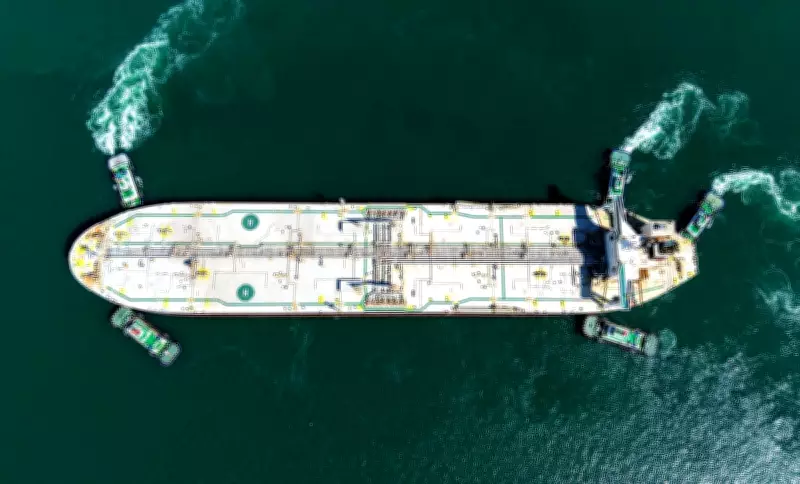
The ongoing conflict in the Middle East has highlighted Australia's precarious dependence on imported petroleum fuels. With oil prices fluctuating wildly and the Strait of Hormuz—a vital conduit for one-fifth of the world's seaborne oil and liquefied natural gas—temporarily closed, the nation faces immediate supply concerns. Climate Change and Energy Minister Chris Bowen has assured the public that fuel supplies remain secure, yet reports of regional service stations running dry and a surge in diesel demand, including increases of 100% in Mildura and 238% in the Barossa, have sparked panic-buying.
Australia's limited refining capacity, with only two operational refineries, and a mere 32 days' worth of diesel reserves underscore the fragility of its energy infrastructure. This vulnerability has prompted intense parliamentary scrutiny, with the Coalition questioning whether the country can meet its petroleum needs. However, this focus on short-term fuel security risks overshadowing the broader imperative to accelerate the shift to renewable energy and electrification.
Climate Security Report Remains Classified
Adding to the urgency, a classified report by the Office of National Intelligence, commissioned three years ago to assess how the climate crisis could fuel national security threats, remains hidden from public view. Independent MPs briefed on the findings, such as Senator David Pocock, have described the report as "frankly terrifying," warning that Australia is "woefully unprepared for what's coming." While details are scarce, a separate national climate risk assessment has warned of potential cascading economic shocks from supply chain disruptions, goods shortages, and failing energy systems.
Renewable Energy as a National Security Imperative
Experts argue that renewable energy offers a viable path to enhance national security. Climate activist Bill McKibben and economist Paul Krugman note that sunlight and wind do not need to transit conflict zones like the Strait of Hormuz, making them immune to geopolitical manipulation. Guterres echoed this sentiment, stating that countries now have an "exit ramp" from past oil shocks, with homegrown renewable energy being cheaper, more accessible, and scalable than ever before.
Minister Bowen has championed this view, asserting that solar and wind energy flows cannot be interrupted by crises like those in the Middle East or Russia's invasion of Ukraine. He points to progress in Australia's energy transition, including a tripling of electric vehicle sales and an increase in renewable electricity generation from 35% to nearly 44%, which has halved summer reliance on gas power plants. Additionally, the government has pledged a $1.1 billion program to develop low-carbon alternatives to liquid fossil fuels using feedstocks such as canola and sugar.
Policy Challenges and Climate Acceleration
Despite these advances, the government's commitment faces scrutiny. Reports suggest potential cuts to a household battery subsidy scheme and the removal of a fringe benefits tax exemption for electric vehicles under $91,000, citing budget deficits and concerns over equity. However, these policies have driven significant benefits, such as maximizing solar energy use and reducing grid dependence on fossil fuels.
Australia still lags in EV adoption compared to global peers, and its newly introduced vehicle efficiency standard, while a step forward, is less ambitious than analysts recommend, with exemptions for larger models. The slow pace of fleet replacement means climate pollution reductions will be gradual, even as the climate crisis accelerates. Recent studies indicate global temperatures are rising at 0.35°C per decade, up from 0.2°C, and sea levels may be higher than previously modeled, increasing risks to coastal areas.
In summary, the convergence of fuel market volatility, classified climate threats, and rapid environmental changes presents a compelling case for Australia to intensify its clean energy transition. As Guterres emphasizes, embracing renewables not only safeguards against geopolitical risks but also promises cheaper, healthier lives for Australians, free from the whims of fossil fuel markets. The future is now, and waiting is no longer an option.



