
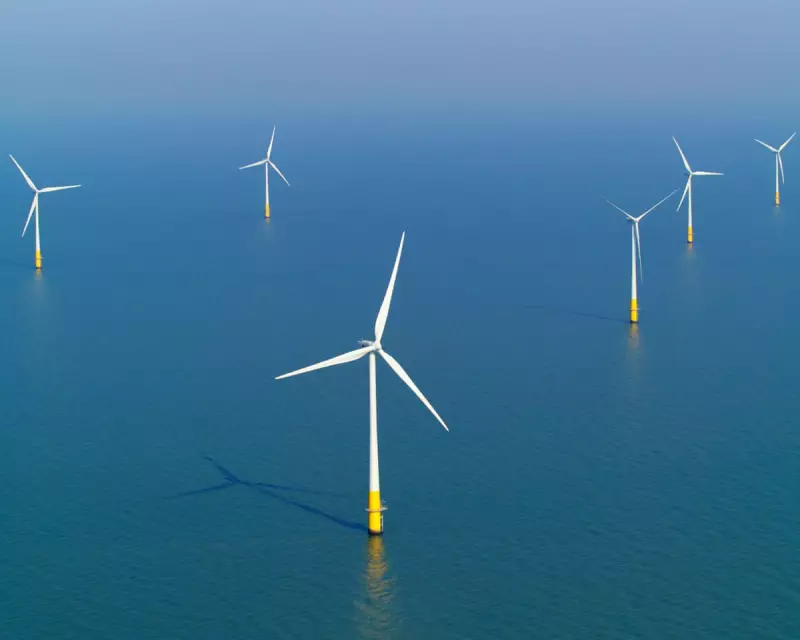
In a landmark move for Britain's energy future, the government has secured a record-breaking amount of new offshore wind power, enough to supply electricity to 12 million homes. The fiercely competitive subsidy auction, described as the most financially generous to date, represents a major step towards achieving the nation's 2030 clean power goals.
How the 'Historic' Auction Works
The process, known as a Contracts for Difference (CfD) auction, is a reverse auction where developers bid for government support. They submit the lowest price they would accept for the electricity their projects generate. This pioneering UK scheme incentivises the huge upfront investment needed for low-carbon energy while protecting consumers.
In this seventh round, about 25 offshore wind projects, representing over 24 gigawatts (GW) of potential capacity, were eligible to bid. Ultimately, contracts were awarded for 8.4GW of new offshore wind capacity. Energy Secretary Ed Miliband hailed the result, stating it would trigger £22 billion of investment and create 7,000 new jobs.
The mechanism ensures value for money. If the market electricity price falls below the agreed 'strike price', a levy on bills tops up the developer's revenue. Crucially, if the market price rises above the strike price, developers must pay the difference back to consumers.
Cheaper Power and the Path to 2030
The government argues this auction will directly lead to lower energy costs. Official figures show the average strike price for offshore wind in this auction was £90.91 per megawatt hour (MWh). In contrast, the cost of power from a new gas-fired station is estimated at £147/MWh.
Analysis suggests that increasing renewable energy supply will push down future wholesale electricity prices. While a small levy may be added to bills to support these new projects initially, experts from Aurora Energy Research believe the resulting fall in wholesale prices will more than offset this cost, keeping household bills effectively neutral through to 2035.
This auction was seen as critical for the government's ambitious target of a clean power system by 2030. The UK currently has around 27.6GW of offshore wind capacity in operation, under construction, or contracted. To hit its goal of 43-50GW by 2030, it must add at least 16GW in the next two years. This auction's success keeps progress on track, but another 8GW will need to be secured in next year's auction to stay on target.
Challenges and Consumer Impact
Despite the record result, challenges remain. Industry insiders warn that the "practical realities of construction and supply chains" could delay projects, threatening the tight 2030 timeline. The pressure is now on to maintain this pace of investment while ensuring continued value for consumers.
The evidence for renewables reducing costs is strong. The Energy and Climate Intelligence Unit estimates that without existing wind power, the UK's energy costs last year could have been 46% higher. The success of this auction underscores the central role offshore wind will play in building a more secure, affordable, and clean energy system for Great Britain.



