Fleetwood's Landfill Crisis: Over 20,000 Complaints and Growing Health Concerns
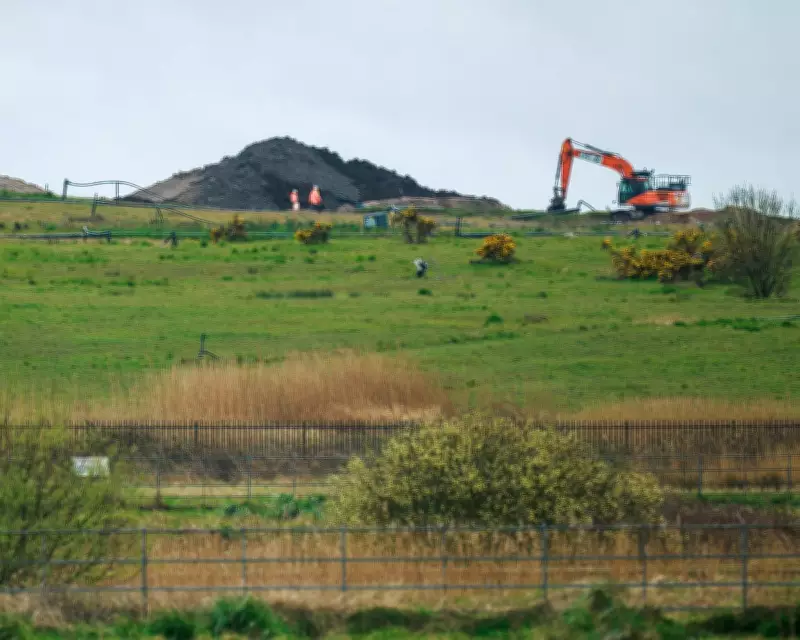
In Fleetwood, a coastal town in Lancashire, a reopened landfill site has become the source of a pervasive and foul odor, prompting more than 20,000 complaints to the Environment Agency since its reopening over two years ago. Residents describe the stench as akin to rotten eggs or animal excrement, with many reporting it has worsened recently, leading to nearly 6,000 complaints in the last six weeks alone.
Health Impacts and Community Outrage
The smell, identified as hydrogen sulphide—a toxic gas released from the decades-old Jameson Road landfill operated by Transwaste—has caused severe health issues among locals. Symptoms include retching, vomiting, nose bleeds, headaches, itchy eyes, and exacerbated breathing conditions like asthma and chronic obstructive pulmonary disease (COPD). Donna Davidson, a retired teacher from nearby Thornton-Cleveleys, notes that the odor even permeates homes at night, with residents feeling "gassed in their beds."
Dave McPartlin, headteacher of Flakefleet Primary School, highlights the disruption to daily life, with children refusing to play outside due to the offensive smell. Allison Rowe, a resident who moved to Fleetwood during the Covid pandemic, recalls first encountering the stench in February 2024 and has since been diagnosed with lung conditions she believes are linked to the landfill. "It's an abomination," she states, emphasizing the unknown long-term health consequences for vulnerable groups, including pregnant women.

Environmental and Regulatory Failures
Despite promises to address the issue, the Environment Agency has recorded 74 compliance breaches at the Transwaste site in the past two years, with a third classified as significant. Transwaste, run by brothers Paul and Mark Hornshaw, began installing a permanent barrier this month to mitigate odors, claiming they applied for approval in December but only received it recently. However, many residents feel let down by public agencies, including the EA, local authorities, and the NHS.
Dr. Barbara Kneale, a GP and consultant in occupational medicine, is collaborating with Davidson to gather evidence for a campaign to permanently close the site. Their efforts include monitoring hydrogen sulphide levels in homes and tracking waste trucks from locations as far as Dover and Dunfermline. Last month, over 100 locals staged a protest march to the landfill, with some using walking frames and face masks to highlight their plight.
Political and Social Dimensions
Lorraine Beavers, Fleetwood's MP, has used parliamentary privilege to criticize Transwaste as "crooks" evading accountability, vowing to fight until the site is shut down. Transwaste has rejected these allegations, asserting compliance with laws and high operational standards, while attributing odor issues to reactivating the site. Wyre Borough Council, the landlord, states legal action requires residents to maintain detailed odor diaries and allow council officers to witness the smell indoors—a requirement many find unreasonable given the volume of complaints.
Fleetwood, one of England's most deprived areas, faces higher rates of asthma and COPD, conditions worsened by poor air quality. Dave McPartlin argues that if this were a wealthier region, the situation would not be tolerated, underscoring a sense of neglect. The Environment Agency spokesperson acknowledges the community's suffering, pledging ongoing monitoring and potential enforcement if improvements are not seen.
This ongoing crisis highlights broader issues of environmental justice and regulatory oversight, with Fleetwood's residents continuing to demand action against the landfill's detrimental effects on health and quality of life.