Stirling Distillery Pioneers Aluminium Packaging for Malt Whisky
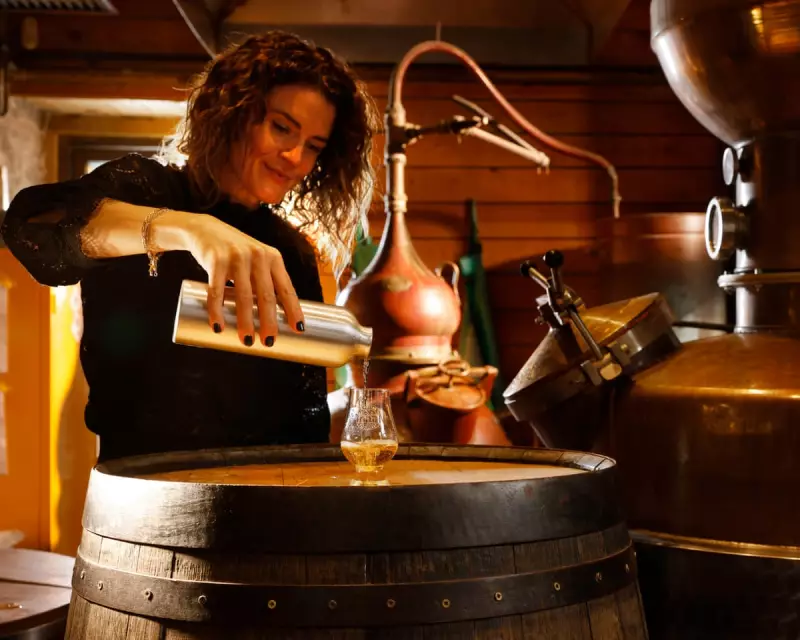
In a bold move that could reshape traditions, Stirling Distillery is conducting trials to determine if it can sell its small-batch malt whisky in aluminium bottles. The initiative, driven by a desire to enhance sustainability and reduce the company's carbon footprint, represents a significant departure from the industry's deep-rooted reliance on glass.
Nestled beneath the walls of Stirling Castle, near the historic site of the Battle of Bannockburn, the distillery is challenging conventions. While aluminium is commonplace for soft drinks and canned food, and is gaining traction with some vodka and gin producers, it has been steadfastly avoided by Scotch whisky makers. The sector heavily markets itself on tradition, provenance, and the aesthetic appeal of its iconic glass vessels.
The Drive for a Greener Dram
Kathryn Holm, Marketing Director at Stirling Distillery, believes the shift could appeal strongly to younger, environmentally conscious consumers. "We won’t really know what the demand is until we put it out there," she stated, acknowledging the potential for the idea to be seen as heresy by purists.
The environmental argument is compelling. A standard full-size glass bottle can weigh as much as the liquid inside it, contributing significantly to shipping costs and emissions. Aluminium alternatives can be up to 90% lighter and are far more easily and frequently recycled. Research from the University of Southampton has consistently ranked recycled aluminium as having a superior environmental footprint compared to both new and recycled glass, with virgin glass being the most harmful option.
Holm also highlighted potential for customisation, suggesting aluminium could allow for limited edition or bespoke engraved bottles, offering new creative avenues for the brand.
Scientific Scrutiny and Potential Hurdles
The distillery is collaborating with scientists from Heriot-Watt University's International Centre for Brewing and Distilling to rigorously test the safety and suitability of aluminium containers for high-strength spirits.
Professor Annie Hall and Dr Dave Ellis, leading the research, have identified key challenges. While initial aroma tests found no discernible difference between whisky stored in glass versus aluminium, electron microscope analysis revealed that traces of aluminium had leached into the spirit. The researchers believe the 49% ABV (alcohol by volume) whisky, which is more acidic than gin or vodka, may have degraded the bottle's protective lining.
"The big question is: is there a commercially available aluminium can that has a liner that can handle whisky-strength spirits?" Dr Ellis remarked, noting that longer-term testing on better-lined bottles is needed to assess any impact on the whisky's chemical composition, taste, and mouthfeel.
A Broader Industry Shift
Stirling is not entirely alone in exploring alternative packaging. The Isle of Harris Distillery previously trialled aluminium refills for its gin, finding an audience among cyclists and campers attracted by the lightweight bottles. Ogilvy, a Scottish producer, sells its potato vodka in aluminium flasks, and French calvados maker Avallen uses paper-based bottles.
Ron MacEachran, Executive Chair of Harris Distillery, noted the trial "certainly had an audience" but confirmed his company has not yet considered aluminium for whisky, primarily for aesthetic and commercial reasons. However, he acknowledged the mounting pressure on the industry to reduce its carbon footprint. "There’s definitely a sea change... how the Scottish whisky and spirits industry comes out at the other end is going to be very interesting to see," he concluded.
For Stirling Distillery, the experiment represents a proactive step towards a more sustainable future, testing whether the hallowed traditions of Scotch whisky can successfully marry with the urgent demands of the green economy.