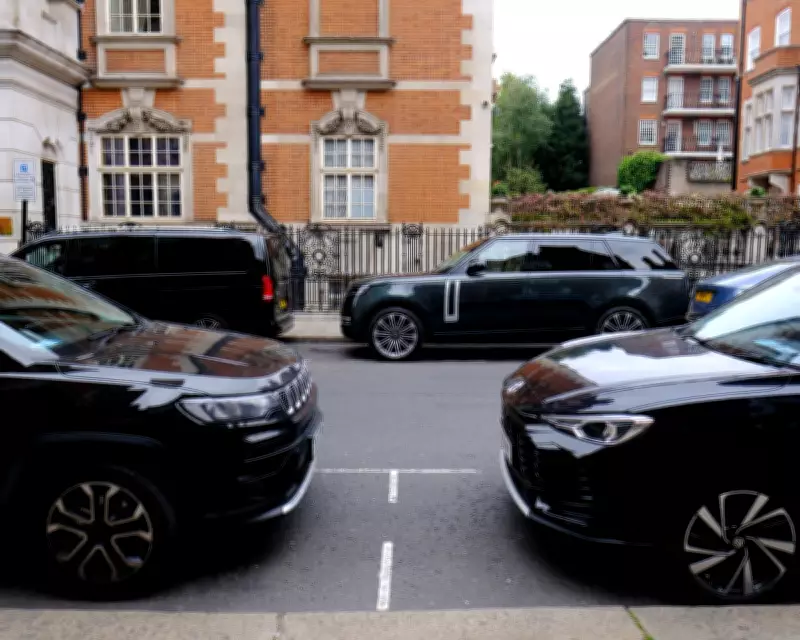
London Mayor Takes Stand Against Supersize SUVs
In cities like London, the surge in supersize sports utility vehicles (SUVs) has become impossible to ignore. Once linked to rural lifestyles, these massive cars now dominate urban streets, representing 46% of global new car sales in 2022. For manufacturers, SUVs are lucrative due to higher profit margins, while drivers enjoy more space and an elevated view. However, the downsides for pedestrians, cyclists, and the environment are increasingly alarming.
Safety Risks and Environmental Impact Under Scrutiny
Research reveals that children are 77% more likely to die if struck by an SUV compared to other cars, primarily because of their raised bonnets and larger structure. London's mayor, Sir Sadiq Khan, has highlighted this threat as part of a broader review into SUVs' environmental footprint. This evidence is expected to inform policy proposals, potentially leading to higher charges for SUV owners to mitigate risks.
SUVs also consume more physical space, with 4.6 million cars sold in the UK between 2021 and 2025 that exceed typical parking dimensions. Public discontent is growing, as seen in Cardiff where 66% of survey respondents supported higher parking permit fees for SUV owners, and in Paris where a majority voted to triple parking fees in a 2024 referendum.

Learning from Global Cities and Policy Tools
Sir Sadiq can draw lessons from cities like Helsinki and Oslo, which have significantly reduced road deaths and injuries. Following the success of London's ultra-low emission zone (Ulez) in improving air quality, the mayor is advocating for bold measures. Expected changes include expanded 20mph zones and new speed restrictions on faster roads to enhance safety.
While many newer SUVs meet Ulez standards, their large carbon footprints over lifetimes, including manufacturing, remain a concern. The International Energy Agency reports that SUVs use about 20% more oil than medium-sized cars, offsetting global energy efficiency gains since 1990, even with 20% of new models being electric.
Call for Government Action and Financial Incentives
Ministers are urged to reassess tax systems that currently favor SUVs less than in many European countries. A green transition should incorporate environmental considerations into taxation, using financial nudges to influence behavior. Local parking and congestion charges are also vital tools in this effort.
Sir Sadiq Khan is right to leverage available levers to address the proliferation of giant cars. As the conversation accelerates, it's clear that collaborative policies are essential for creating cleaner, safer urban environments.