
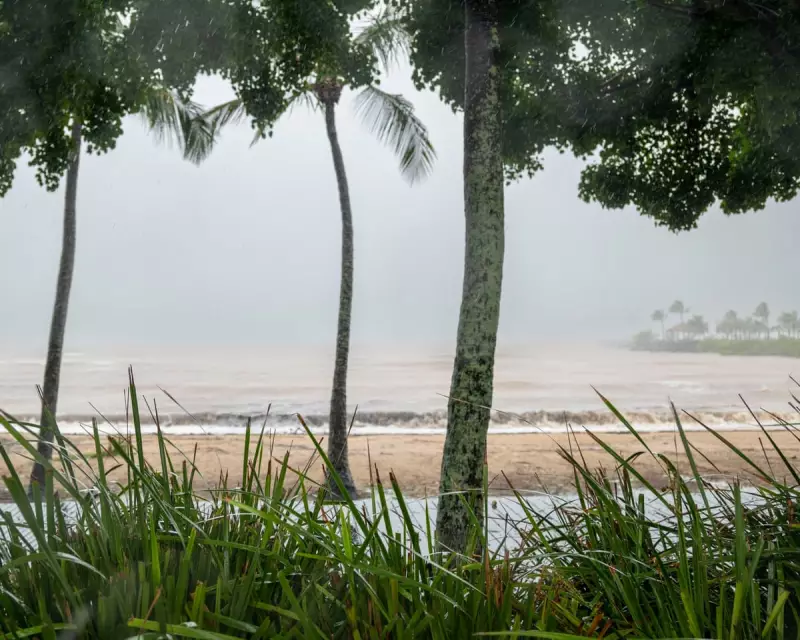
Communities in Queensland are on high alert for severe flooding after the remnants of a tropical cyclone battered the state's far north, cutting power to thousands and prompting major flood warnings.
Cyclone Downgraded but Rain Threat Intensifies
After days of threatening build-up, the system formerly known as Tropical Cyclone Koji weakened upon crossing the Queensland coast. It was officially downgraded to a tropical low on Sunday. While cyclone warnings were cancelled, the danger swiftly shifted to intense rainfall and subsequent river rises.
Hamilton Island recorded damaging wind gusts of 113km/h as the system made landfall early Monday, but concerns over destructive winds have since eased. The primary focus for emergency services is now the deluge of rain falling on already saturated catchments.
Widespread Flood Warnings and Infrastructure Damage
The Bureau of Meteorology has forecast continued heavy rain along the central Queensland coast, with isolated totals potentially reaching 340mm within 24 hours. This has triggered flood watches and warnings for numerous catchments, including Herbert, Burdekin, Proserpine, Pioneer, and the Channel Country.
Thousands of residents remain without electricity as crews work to restore power to areas hit by the wild weather. The town of Airlie Beach experienced significant flooding, with images showing submerged streets and properties.
Queensland Premier David Crisafulli, speaking from Bowen, warned of significant rainfall in the coming 24 to 48 hours. He expressed confidence in the community's preparedness but urged continued vigilance. "If people do the right thing and have those preparations we'll continue to get through this unscathed," Crisafulli stated.
Compounding a Statewide Disaster
The latest severe weather compounds an existing crisis in western Queensland, where an earlier monsoon devastated the northwest. That event isolated towns and properties, with a mammoth clean-up barely begun. Conservative estimates suggest more than 45,000 head of livestock are missing or dead.
Premier Crisafulli highlighted the profound economic impact, noting the importance of agriculture to regional communities. Authorities are continuing fodder drops and stockpiling antibiotics and veterinary supplies to treat surviving animals and combat disease.
"The last thing we want to see is more rainfall in areas that have copped more than a year's supply in less than a week," Crisafulli said, underscoring the vulnerability of flood-affected regions. The Premier is scheduled to chair a state disaster coordination committee meeting from Proserpine later on Monday.



