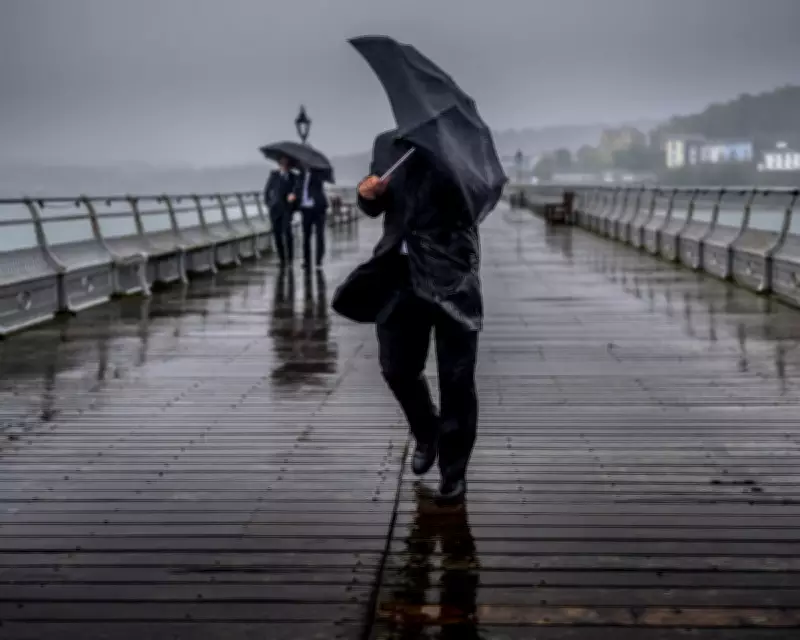
Driving rain and fierce winds lash Garth pier in Bangor, Wales, creating a dramatic scene that captures Britain's current weather reality. While many complain about the relentless precipitation, one perspective offers an unexpected defense of these damp conditions.
The Relentless British Rainfall
Britain has experienced what meteorologists term an "unusually southerly jet stream" for over a month, resulting in what Shakespeare famously described as "the rain it raineth every day." According to weather authorities, twenty-six UK weather stations set new records for January rainfall last month, with Aberdeen reportedly not seeing significant sunlight for what feels like geological ages.
For most Britons, discussing weather occupies approximately thirty percent of daily conversation, but even the most dedicated weather-talkers have reached their limits with this persistent downpour. The constant grey skies contribute to a general atmosphere where everything appears bleak and likely to deteriorate further.
A Counterintuitive Perspective
Despite the overwhelming consensus favoring bright, freezing conditions over mild, grey ones, one writer presents a compelling alternative viewpoint. Having spent seventeen years experiencing New York's harsh winters, they've returned to Britain with renewed appreciation for its comparatively gentle climate.
"We don't know how lucky we are!" they declare, arguing that dank and gloomy conditions represent the superior winter experience when compared to extreme cold.
Extreme Cold Versus Persistent Damp
This winter has brought record-breaking low temperatures to America's eastern seaboard, with New York experiencing "feel-like" temperatures plunging to minus twenty-nine degrees Celsius. Ice floes have formed in the Hudson River, while snow-covered garbage piles remain uncollected for weeks.
The writer recalls previous winters requiring twenty minutes of careful layering preparation for a simple three-block walk, with the outdoor experience feeling like "having my face plunged into cold water." In contrast, British children recently attended school in shorts, with one child not wearing a coat since early January's brief cold snap.
Finding Reward in Rain
While literature about surviving gloomy winters typically promotes indoor hibernation through oversized jumpers and board games, this writer discovered unexpected pleasure in outdoor rainy activities. They describe the endless rainy school runs as "weirdly lovely," appreciating not needing heavy winter coats or fearing frostbite.
"Moving through air that is just cold enough to alert one to how cold it would be if it were genuinely cold, but instead is sort of clammily brisk – all of these things seem deeply gratifying," they observe, acknowledging their perspective might drift into "woman-in-midlife-advocates-angry-cold-water-swimming territory."
The Psychological Shift
The writer credits their mother's unusual practice of moving houseplants outdoors during rainstorms for shaping their positive association with precipitation. Though their own largest plant measures only cereal-box dimensions and never ventures outside, they maintain the psychological conditioning: "Mmm, so good for my plants."
This represents more than mere nostalgia – it's a fundamental reconditioning of how Britons might perceive their famously damp climate, particularly during winter months when alternatives appear significantly harsher.
Seasonal Realities and Preferences
The article concludes with the writer firmly stating, "I think our winters are very nice indeed," while simultaneously acknowledging the universal anticipation for spring's arrival. This balanced perspective recognizes both the challenges of persistent rainfall and the comparative advantages of Britain's temperate winter climate against more extreme seasonal conditions elsewhere.
As climate patterns continue shifting globally, such personal reflections on weather preferences gain broader relevance, particularly when extreme conditions become more frequent and intense across different regions.