
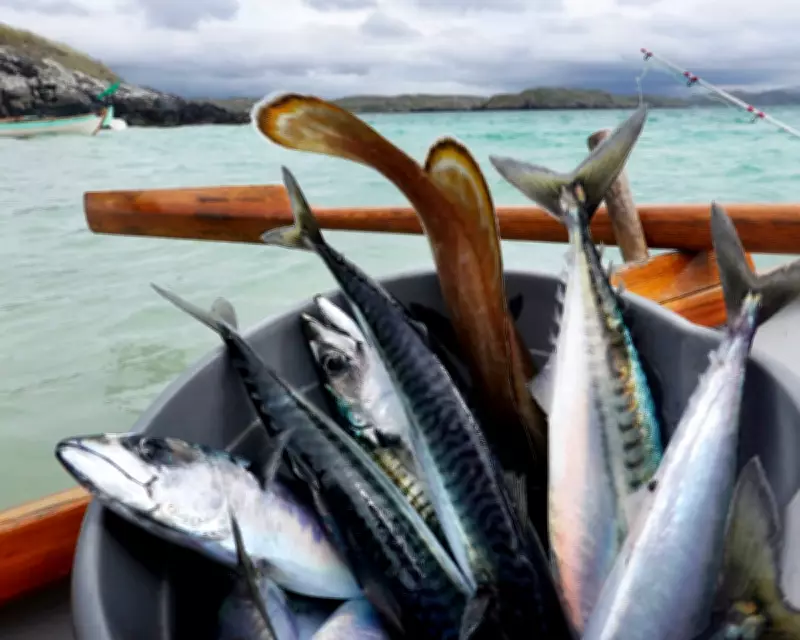
Waitrose Takes Historic Stand Against Mackerel Overfishing
In a groundbreaking move for the UK retail sector, Waitrose has become the first supermarket chain to completely suspend the sale of mackerel due to critical overfishing concerns. The decision comes amid mounting scientific evidence that Atlantic mackerel stocks are dangerously depleted, prompting the retailer to actively guide customers toward more sustainable seafood choices like herring and sea bass.
Scientific Warnings Reach Breaking Point
The Marine Conservation Society sounded alarms last year when it downgraded mackerel from a three to a four on its five-point sustainability scale, indicating stocks were approaching a critical threshold. Kerry Lyne of the MCS commended Waitrose's proactive stance, emphasizing that maintaining popular fish species requires comprehensive supply chain cooperation and adherence to sustainable fishing limits.
Recent research from the University of East Anglia, published in January, reinforced this position by urging supermarkets to expand consumer awareness about environmentally friendly alternatives. The study specifically highlighted locally caught herring and sardines as nutritious substitutes that could alleviate pressure on overfished species.
International Calls for Drastic Reductions
The International Council for the Exploration of the Sea delivered a sobering assessment last September, recommending an immediate 70% reduction in mackerel fishing across the north-east Atlantic to allow populations to recover from years of overexploitation. Hugo Tagholm, executive director of Oceana UK, characterized this as a clear warning that current practices risk total ecological collapse, endangering not just mackerel but countless dependent marine species.
Despite these urgent recommendations, UK nations agreed in December to implement only a 48% reduction in mackerel catches—significantly below the scientific consensus. The World Wildlife Fund simultaneously reported that catches had exceeded sustainable levels by an average of 39% since 2010, pushing the north-east Atlantic mackerel population toward potential collapse.
Systemic Failures and Retail Responsibility
Tagholm emphasized that while consumer and retailer actions are important, ultimate responsibility lies with governmental bodies that establish catch limits. He criticized successive administrations for failing to develop coherent strategies to combat overfishing, particularly as staple species like cod and mackerel approach ecological disaster.
Waitrose's new policy will prominently feature herring, sardines, and sea bass as sustainable alternatives, supported by educational materials about their nutritional benefits. Marija Rompani, director of ethics and sustainability at the John Lewis Partnership, stated that responsible fish sourcing represents a fundamental component of broader environmental protection efforts, balancing climate action with ocean conservation.
Broader Implications for Seafood Industry
This suspension marks a significant shift in how major retailers respond to environmental crises, potentially setting a precedent for other supermarkets facing similar sustainability challenges. With mackerel catches in the north-east Atlantic projected to fall short of Sustainable Seafood Coalition requirements beginning in May, industry-wide adjustments appear increasingly inevitable.
The move also highlights growing consumer awareness about seafood sustainability, as shoppers become more receptive to trying unfamiliar fish species when properly informed about their ecological and health benefits. As overfishing continues to threaten marine ecosystems globally, Waitrose's decision may inspire broader changes across the fishing industry and governmental policy frameworks.



