
As the new year unfolds and UK employees return to offices and worksites, a prime opportunity emerges to overhaul outdated and wasteful business practices. Embedding sustainability into daily operations is no longer a niche concern but a critical component of modern, responsible business.
Harnessing Procurement Power and Rethinking Commutes
Helen Oakey, chief executive of the sustainability advocacy not-for-profit Renew, emphasises that the collective time spent at work makes our professional actions significant. She argues that change can be driven from any level, noting, "Often in a small business, it can be somebody who’s very passionate about sustainability that can drive action."
This influence extends powerfully to procurement. Choosing recycled materials, sourcing local produce, and selecting suppliers who use minimal or sustainable packaging sends a clear market signal. Angie Farrugia of B Lab Australia and Aotearoa New Zealand concurs, urging businesses to audit their supply chains and use their buyer influence to champion ethical and environmental improvements.
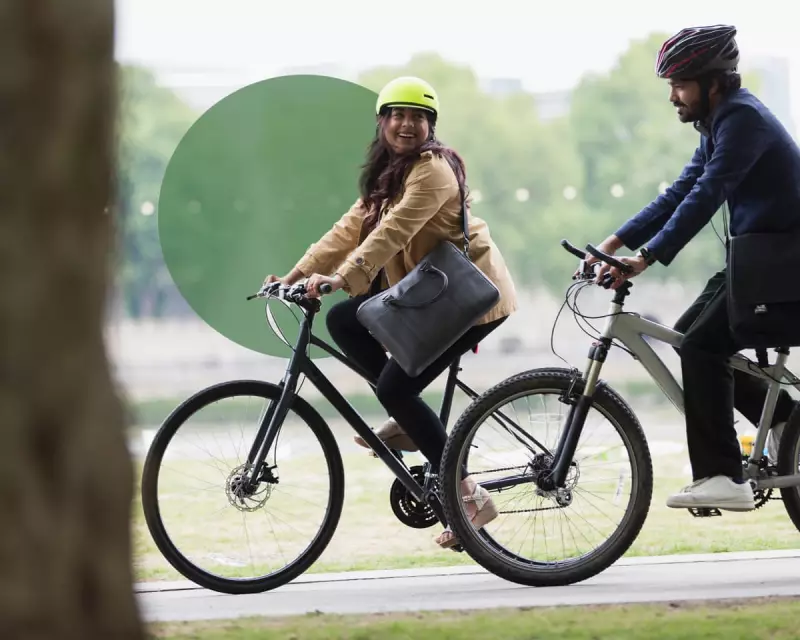
Transport represents one of the fastest routes to cutting a company's carbon footprint. Oakey highlights initiatives like promoting cycling, facilitating online meetings to avoid travel, and offering secure bike parking with shower facilities. "Even if people only cycle twice a week, that can really help lift staff morale and health, and reduce emissions," she says. Creating fun challenges tied to events like Ride2Work Day can boost participation.
The post-pandemic shift towards flexible and hybrid working models also presents a major emissions-saving advantage. "One of the easiest ways to reduce transport emissions is to not travel," Oakey points out.
Systematic Waste Reduction and Energy Efficiency
With UK commercial and industrial sectors generating a substantial portion of national waste, targeted action here is vital. Oakey recommends starting with a waste audit to identify key problem areas, followed by implementing clear, well-signed recycling stations for paper, plastics, food, and e-waste.
A simple but effective tactic is to remove individual desk bins, encouraging staff to consciously sort their waste at central points. For events and catering, prioritising reusable crockery over disposable items can drastically cut down on single-use waste.
On the energy front, the mantra is simple: the cheapest energy is the energy you don't use. Ensuring heating and cooling systems are optimised prevents employees from resorting to inefficient personal heaters. When replacing appliances, checking energy-efficiency ratings is crucial. For businesses with suitable roof space, installing solar panels can significantly reduce grid dependence and energy bills.
Building a Culture of Collective Green Progress
Both experts stress that sustainability is about progress, not perfection. Farrugia notes that initiatives like a ride-to-work challenge might seem minor, "but if you introduce them into the culture of a business, and they happen repeatedly, then over time that can have a really positive impact."
Success requires a partnership between passionate employee champions and supportive management. Celebrating measurable wins—whether it's a reduction in waste tonnage or increased cycling participation—helps secure whole-team buy-in and makes the process engaging.
Ultimately, transforming a workplace into an eco-friendlier space is a practical journey of incremental steps. By focusing on procurement, transport, waste, and energy, UK businesses can create meaningful environmental benefits, improve staff wellbeing, and often realise welcome cost savings.



