
Iran Oil Depot Bombings Trigger Major Environmental Health Crisis
The bombing of Iran's oil infrastructure by Israeli warplanes has unleashed a severe environmental and public health catastrophe, with experts warning of long-term consequences that could affect generations. As fires continued to burn at the Shahran oil depot northeast of Tehran and the Shahr-e fuel depot to its south, environmental monitors admitted they are struggling to track the expanding disaster.
Toxic Fallout Spreads Across Tehran
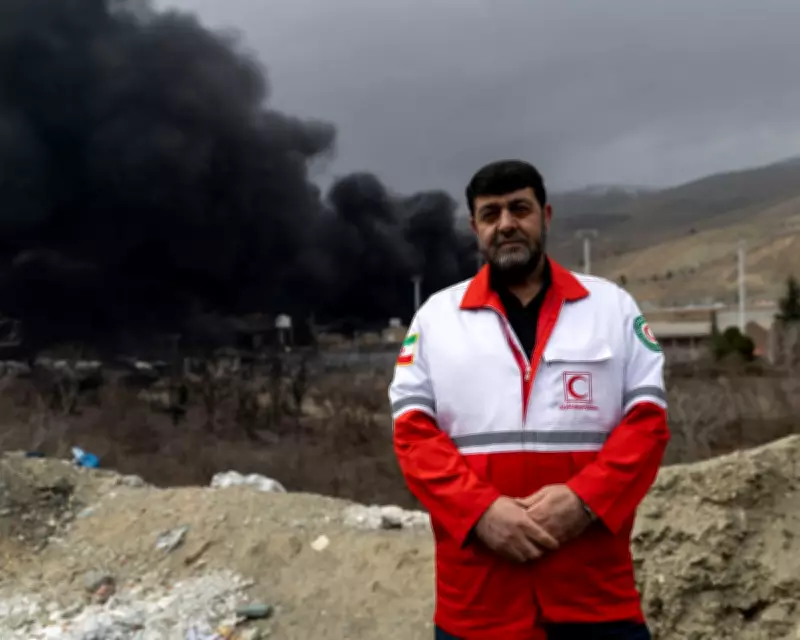
Pir-Hossein Kolivand, head of the Iranian Red Crescent Society, stood before the devastated Shahran oil depot as his organization issued urgent warnings to Tehran residents. The toxic chemicals released by the explosions could lead to acid rain and cause significant damage to skin and lungs, creating immediate health hazards for the city's population.
World Health Organization Director-General Tedros Adhanom Ghebreyesus emphasized the gravity of the situation, stating that damage to petroleum facilities in Iran risks contaminating food, water, and air. These hazards pose severe health impacts, particularly for vulnerable populations including children, older adults, and people with pre-existing medical conditions.
Black Rain and Chemical Cocktail Descend on Capital
Tehran experienced alarming black rain in the hours following the bombings, a dangerous mixture of soot, fine particulate matter from the explosions, and natural rainfall. According to Dr. Akshay Deoras, a research scientist at the University of Reading, the airstrikes on oil depots released:
- Soot and smoke particles
- Oil particles and sulphur compounds
- Heavy metals and inorganic materials
- Nitrogen compounds that could form acids
"The risks to human health come from inhaling or touching the smoke and particles," Deoras explained. "Immediate impacts can include headaches, irritation of the eyes and skin, and difficulty breathing—particularly for people with asthma, lung disease, older adults, young children, and those with disabilities."
Long-Term Health Consequences Feared
Professor Andrea Sella of University College London warned that the acute effects visible in Tehran—including residents reporting difficulty breathing, headaches, and burning sensations in eyes and throats—might represent only the beginning of the health crisis.
"The explosions will have exposed the local population to all manner of undesirable and toxic chemical species," Sella stated. "The crude oil will have contained a range of elements, including metals, that would also be spread indiscriminately."
The chemistry professor highlighted the presence of aromatic compounds known to interact with DNA and linked to cancers, noting that whether these manifest in health problems will depend on the duration and severity of individual exposure. Additionally, the destruction of containment systems means harmful materials will permeate soil and potentially contaminate drinking water supplies.
Regional Environmental Crisis Escalates
Iran's deputy health minister, Ali Jafarian, confirmed to Al Jazeera that soil and water supplies around Tehran are already beginning to show contamination from the weekend's explosions. This local disaster occurs within a broader regional environmental crisis.
Doug Weir, director of the Conflict and Environment Observatory, revealed that his organization is tracking hundreds of environmentally problematic incidents in Iran and the surrounding region. "We are now aware of hundreds of environmentally problematic incidents," Weir said, "but the ongoing conflict, internet restrictions and delays in satellite imagery mean this figure is an understatement."
The environmental monitoring expert emphasized that piecing together the war's environmental footprint and its potential impacts on people and ecosystems represents a monumental task that grows more complex with each day of continued conflict.
Expanding Conflict Threatens Broader Catastrophe
Despite U.S. efforts to distance itself from the attacks, fears are mounting that the strikes could spark a dangerous cycle of retaliation. A spokesperson for the Iranian Revolutionary Guards Corps warned of potential "similar actions against oil infrastructure in the region," raising concerns about expanding environmental damage.
The regional situation has already deteriorated significantly:
- Bahrain's state-owned energy company declared force majeure after Iran attacked the country's only oil refinery
- Saudi Arabia reported intercepting four Iranian drones targeting its Shaybah oil field
- Recent weeks have seen drone strikes on the world's largest natural gas export plant in Qatar
- Attacks have targeted fuel storage hubs in Oman and the United Arab Emirates
- Multiple tankers in the Persian Gulf have been struck
Each of these incidents represents a potential environmental catastrophe, with Weir noting that the conflict has expanded from military targets to civilian and dual-use facilities, broadening the range of environmental and public health risks associated with military actions.
The environmental consequences of the oil infrastructure bombings will likely persist long after the fires are extinguished, creating a legacy of contamination and health risks that could affect the region for decades to come.



