
Indigenous Australians File $1.5bn Lawsuit Over Asbestos Contamination
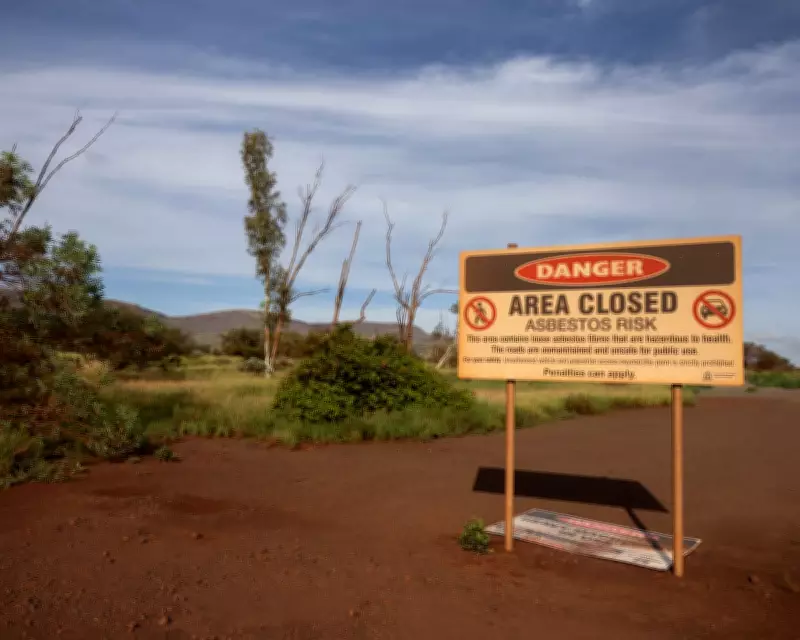
The Banjima people, traditional owners of land in Western Australia's Pilbara region, have initiated a landmark $1.5bn legal claim against the state government. This action seeks to address decades of contamination from blue asbestos mines at Wittenoom, a site notorious for one of Australia's worst industrial disasters.
Historic Contamination and Health Impacts
More than 3 million tonnes of toxic waste, dumped by blue asbestos mines operating from 1943 to 1966, remain on the land. Blue asbestos, the most hazardous form, causes mesothelioma and does not degrade over time. The Banjima Native Title Aboriginal Corporation (BNTAC) argues that this contamination has prevented them from exercising their native title rights.
Johnnell Parker, a Banjima traditional owner, stated, "They've disconnected us from that place of Country that we can't visit anymore." She highlighted that every family in Wittenoom has been affected by mesothelioma, with many losing loved ones to the disease.
Legal Proceedings and Government Response
BNTAC filed the claim in the federal court, seeking orders for the WA government to seal abandoned mines, clear tailings dumps, and remove asbestos from sites like the Wittenoom racecourse and airport. The group is represented by Peter Gordon, a senior partner at Gordon Legal, who won the first asbestos compensation case related to Wittenoom in 1988.
Gordon noted that preliminary engineering estimates put the cleanup cost at $1.5bn, contrasting this with the $70bn in mining royalties the WA government has earned since 2016. He emphasized, "The assault and the degradation here is cultural, it's health and safety, and it's environmental."
Government Acknowledgment and Future Steps
WA Premier Roger Cook expressed no surprise at the legal action, stating he respects the Banjima's right to seek justice. He prefers a negotiated outcome but acknowledged the need to address the health and environmental damage. The case is scheduled for a management hearing on April 9 in Perth.
This lawsuit underscores ongoing struggles with industrial legacy issues and Indigenous rights in Australia, highlighting the urgent need for environmental remediation and accountability.



