
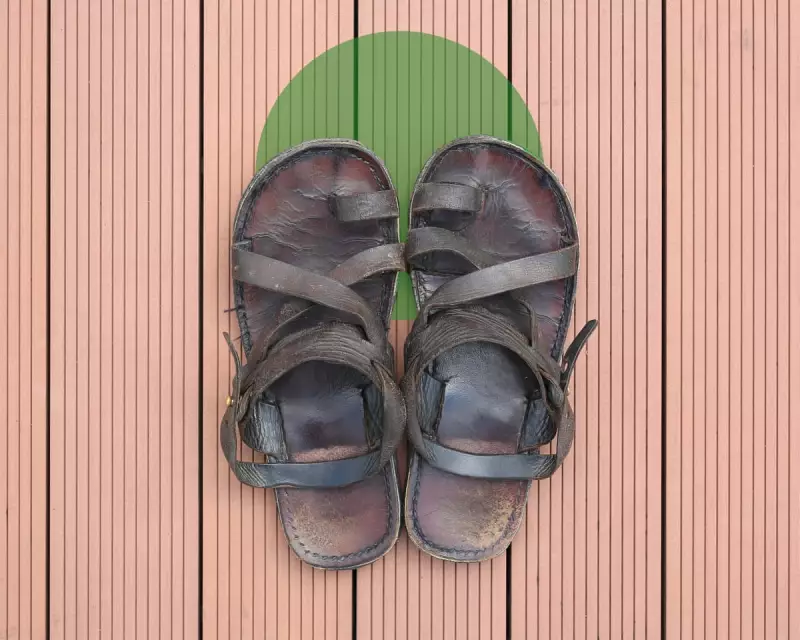
As summer approaches, many of us will be digging out our favourite sandals. But before you consider tossing out a worn pair, consider this: every shoe you've ever owned is likely still sitting in a landfill. In Australia alone, a staggering 110 million shoes are imported annually, and their complex mix of materials makes them nearly impossible to recycle. This summer, the most sustainable choice isn't buying new, but reviving what you already own.
From Grubby to Gleaming: The Cleaning Process
The journey to like-new sandals begins with a deep clean. Jessica Jarrett from SoleHeeled advises starting with a soft brush to remove loose dirt. For a thorough job, stuff the sandals with tissue to hold their shape, then apply a suitable cleaner. In a pinch, Shane Barr of Shane's Shoe Repairs says a damp cloth with a drop of dish soap can work for rubber, leather, or plastic.
After cleaning, conditioning is crucial for leather. Products like Saphir Creme Universelle nourish the material. For scuffed or discoloured sandals, a restorative cream or water-based dye can work wonders. Finally, a protective waterproof spray will shield your efforts. Special care is needed for cork footbeds, which aren't waterproof. Brands like Birkenstock sell specific cleaners, and a cobbler can replace cork that's beyond saving.
Repairing the Foundations: Soles, Buckles, and Velcro
Soles and heels are usually the first to fail. Prevention is key: having a cobbler attach rubber soles to new sandals significantly boosts longevity. Once worn, a cobbler can level the base and attach new leather or rubber soles, and even replace worn inner soles.
Refreshing buckles depends on their quality. Plastic buckles offer little hope, but metal ones can be salvaged. Remove rust with a specialist spray or vinegar, then scrub with a wire brush. Polishing cream can buff out scratches. Broken buckles or straps are a job for a professional cobbler.
Velcro has two sides: the prickly hooks and the fluffy loops. The loops often wear out first, requiring professional replacement. The hooks can become clogged with fluff. Ray King of Remote Equipment Repairs suggests using a small pin to carefully dig out debris and restore grip.
Knowing Your Limits: When to Call a Professional
Using the wrong product can damage your sandals. Always spot-test cleaners and conditioners on a small, hidden area first, advises Jarrett. For sandals of sentimental value or complex issues, deferring to an expert is wise. Many repair services, including SoleHeeled, offer postal options for convenience.
Extending the life of your footwear, from leather sandals to old reef shoes, delivers a dual satisfaction. It reduces environmental impact and offers the gratification of preserving something beautiful and useful. In a world where only initiatives like Tread Lightly – which downcycles sneakers into play mats – offer recycling, repair is our most powerful tool against waste.



