Wood-Burning Power Generation Worse for Climate Than Gas, Report Finds
Burning wood for electricity generation can be more detrimental to the climate than burning natural gas, even when carbon dioxide emissions are captured and stored, according to new research. This finding casts significant doubt on plans by governments, including the UK, to offer subsidies or financial support for carbon capture technologies attached to wood-burning power plants.
Bio-Energy with Carbon Capture and Storage (BECCS) Under Scrutiny
Bio-energy with carbon capture and storage (BECCS) has been promoted as a clean method for producing baseload power, potentially replacing gas and coal and even achieving "negative emissions" as replacement forests absorb CO2 from the atmosphere. However, researchers from the US, UK, and China have discovered that such systems could take up to 150 years to become "carbon negative." This delay is partly due to the lengthy time required to regrow forests and the environmental damage caused by converting existing savannah, pasture, or cropland into biomass plantations.
Even when half of the wood is sourced from waste materials and half from fast-growing plantations, models indicate it could take decades to reach "negative emissions." The study, published in the peer-reviewed journal Nature Sustainability, used data modelling to reveal that most emissions from burning wood occur before it reaches the power plant, making them impossible to capture. Wood can emit twice as much carbon per unit of energy produced as fossil gas and is far less efficient in energy generation.
Government Subsidies and Industry Response
Tim Searchinger, a senior research scholar at Princeton University who led the study, stated, "Governments should not subsidise burning wood from existing forests, with or without carbon capture and storage. Doing so will increase carbon emissions for decades, even compared with doing nothing, and greatly raise people’s energy prices." He emphasized that carbon emitted from burning wood does contribute to global warming, contrary to some legal declarations.
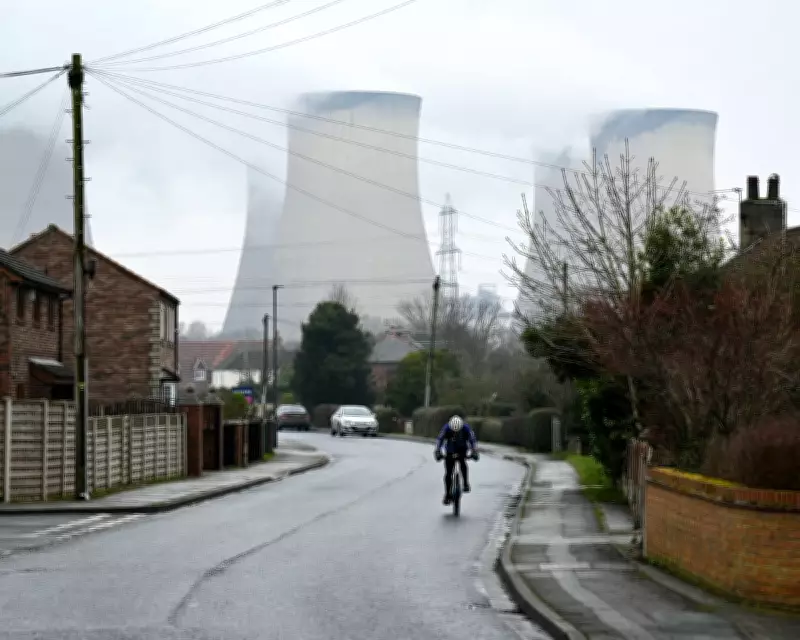
In the UK, the Drax power station in North Yorkshire is the primary generator of biomass electricity and the country's largest single source of CO2 emissions. Drax received nearly £1 billion in subsidies last year for burning wood, according to thinktank estimates. Campaigners, including Douglas Parr, chief scientist at Greenpeace UK, argue that cutting down trees for energy is counterproductive. "Common sense tells you that cutting down trees to burn them and then burying the resulting carbon emissions is a bad idea. This scientific study confirms that," Parr said.
Drax has "paused" its investment in BECCS, citing uncertainty over government subsidies. A Drax spokesperson defended their practices, stating they source biomass from sustainable forests and monitor supply chains for climate and nature benefits. They added that existing BECCS methodologies include strict sustainability requirements that would not allow the harvesting methods described in the study.
Policy Implications and Future Directions
Trevor Hutchings, chief executive of the Renewable Energy Association, noted that the UK's net zero by 2050 targets rely on BECCS and other carbon capture forms. "The paper highlights many of the complexities and risks around BECCS, yet it’s important to recognise that, without BECCS and other forms of negative emissions, we will not achieve our legally binding net zero targets," he said. He emphasized the need for sustainable deployment within a broader renewable energy system.
A spokesperson for the Department for Energy Security and Net Zero rejected the report's findings, stating, "We do not recognise these claims. No final decisions around the deployment of large-scale bioenergy with carbon capture and storage projects have been made, and any support would need to provide value for money for taxpayers and meet our sustainability criteria." The debate continues as governments and industries grapple with balancing energy needs, climate goals, and economic considerations in the transition to renewable sources.