
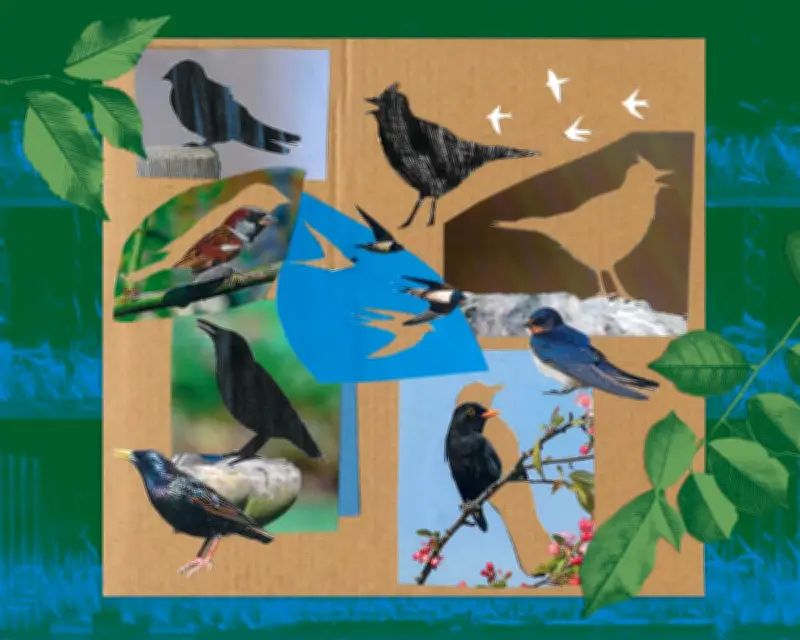
A unique audio archive spanning 50 years has revealed a profound transformation in the UK's dawn chorus, with the soundscape of spring mornings now markedly different from that of the 1970s. Researchers at the University of East Anglia (UEA) analysed recordings from the British Library's wildlife sound collection, comparing birdsong from the 1970s, 1990s, and 2020s across 104 sites in England.
Fewer Birds, Quieter Dawns
The study found that the number of bird species contributing to the dawn chorus declined by an average of 25% over the half-century. The overall density of birdsong also dropped, with fewer individuals singing. Species such as the cuckoo, nightingale, and turtle dove, once common in the chorus, have become rare or absent in many areas.
According to Dr. Catriona Morrison, lead author of the study from UEA, “The dawn chorus is a natural symphony, but our analysis shows it has become quieter and less diverse. The loss of certain species has fundamentally changed the acoustic landscape of spring in the UK.”
Climate Change and Habitat Loss Blamed
The researchers attribute the changes primarily to climate change and habitat loss. Warmer temperatures have altered migration patterns and breeding times, while agricultural intensification and urban development have reduced suitable habitats. The decline in insects, a key food source for many songbirds, has also played a role.
“Climate change is shifting the timing of bird life cycles, and habitat fragmentation means fewer places for birds to thrive,” said Dr. Morrison. “The result is a less vibrant dawn chorus, which could have knock-on effects for pollination and pest control.”
Regional Variations in the Chorus
The study highlighted regional differences. In southern England, the chorus has seen a shift towards more generalist species like wood pigeons and robins, while specialist woodland birds have declined. In northern uplands, the chorus remains richer but is also under threat from changes in land use.
The British Library's collection, which includes recordings made by amateur naturalists and professional sound recordists, provided a unique window into the past. “These recordings are an invaluable resource for understanding how our environment has changed,” said Cheryl Tipp, curator of wildlife and environmental sounds at the British Library.
Implications for Conservation
The findings underscore the need for targeted conservation efforts. The researchers recommend creating larger, connected habitats and reducing pesticide use to support insect populations. They also call for more long-term acoustic monitoring to track changes in biodiversity.
“The dawn chorus is not just beautiful; it is a crucial indicator of ecosystem health,” said Dr. Morrison. “If we lose it, we lose a key part of our natural heritage.”



