
Suffolk County Council has switched off 80 solar panel systems at schools across the county after three fires broke out in less than a year, raising concerns among parents and campaigners about the safety of rooftop solar panels. In Northumberland, another 81 systems were disconnected following a fire at a primary school last summer. Similar incidents have been reported in Shropshire, Nottinghamshire, and London over the past two years.
Recent fire at Sidegate Lane Primary School
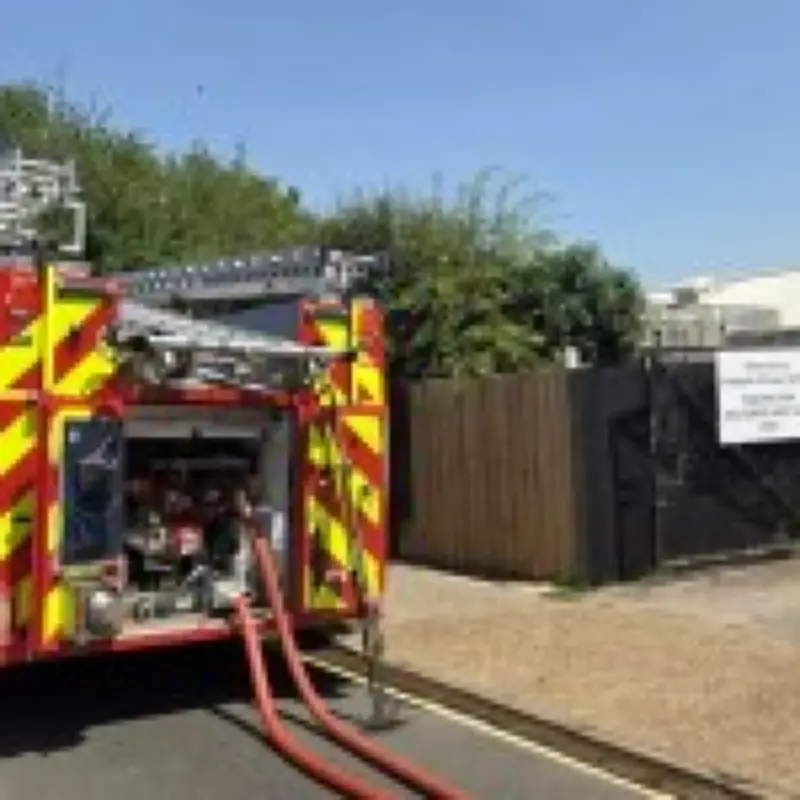
The most recent fire occurred at Sidegate Lane Primary School in Ipswich on June 24, when a staff member smelled smoke and the school was evacuated. Suffolk Fire and Rescue stated that a full investigation was not required 'as it has been confirmed beyond reasonable doubt that the cause was a solar panel on the roof.' The panel was installed in 2012 as part of a council programme, well within the typical 25- to 30-year lifespan of modern systems.
On June 25, Suffolk County Council announced it would temporarily turn off all systems installed in schools between 2011 and 2016. A council spokesperson said there was 'no conclusive evidence' linking the fires to the panels but added, 'However, the involvement of solar panels in each case has prompted this precautionary action. We were already in the process of carrying out a review of all solar panels and have accelerated the work that was already underway.'
Other incidents and government scrutiny
Solar panels were also considered a possible cause of a fire at Brooklands Primary School in Brantham at the start of the Easter holidays, though the cause was officially recorded as 'undetermined.' Similarly, panels were suspected in a fire at East Bergholt Primary School in August 2025. These incidents have prompted scrutiny of the government's plans to install solar panels at more than 250 schools and colleges across England.
Under a scheme by the Department for Energy Security and Net Zero (DESNZ), solar panels had been installed in over 100 schools by March 2026. The government claims educational institutions will save up to a combined £220 million over the lifetime of the panels. A DESNZ spokesperson said: 'The risk of fire from solar panels is very low – much lower than household appliances such as cookers. Safety is our top priority and we work closely with industry to ensure solar panels meet the highest standards.' DESNZ, led by Ed Miliband, confirmed that none of the affected schools were part of the Great British Energy programme.
Expert and campaigner perspectives
A Green Party spokesperson told Metro that the risk of fire from solar panels is 'tiny' but admitted that 'ageing and poorly-installed systems are repeatedly causing problems.' They added: 'With wildfires raging across the UK because of climate change, we need to speed up, not slow down, our progress towards renewable energy. Pausing the roll-out of solar panels would be a serious own goal for the government, and mean schools pay more for their energy for years to come.'
The National Education Union acknowledged that while such incidents are rare, they are a cause for concern. They stated: 'Solar panels do, however, lower carbon emissions, bring down energy bills, and are a key measure in combating the climate crisis. It is, of course, important that all solar panels are properly installed and maintained to prevent any issues that may arise.'
Technical causes and safety measures
Energy expert Tony Slade told the BBC that it was unlikely the panels themselves had caught fire as they are mostly made of glass. He said fires were more likely caused by incorrectly sized or damaged wiring, or problems with the inverter that converts power. He explained that high air temperatures could impact systems, but most 'should have an ambient air temperature rating normally greatly in excess of expected.' Slade added: 'Until the cause of the fires is established, the [Suffolk County Council's] move is sensible. However, this is not a renewable energy problem, but potentially one of electrical system specification, installation, and maintenance.'



