
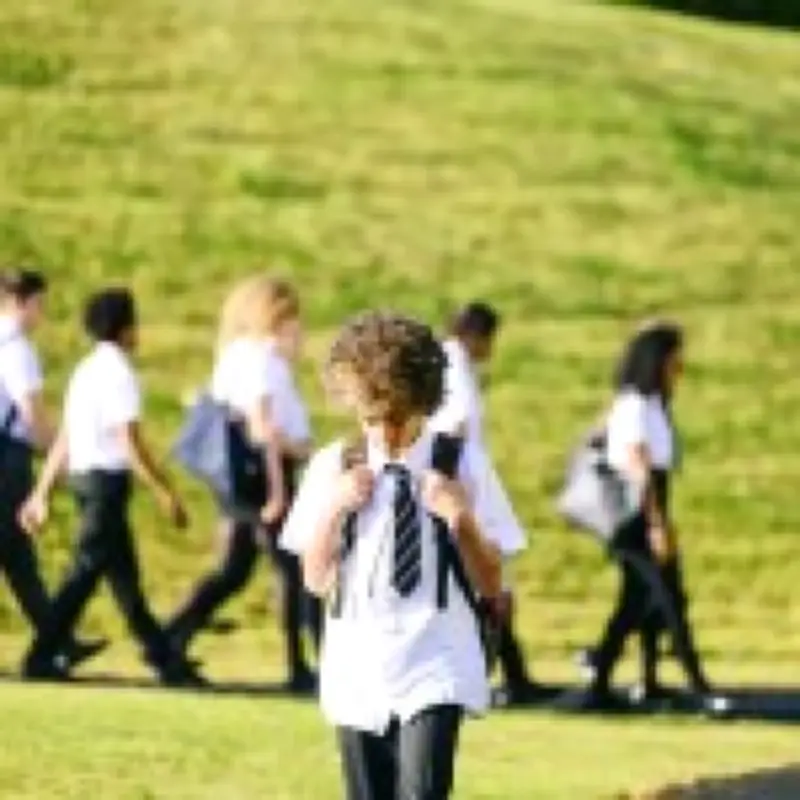
In late June 2026, Kirsty Ketley, a freelance writer and parent consultant, received an email from her children's school: 'Due to the ongoing heat, we would like to offer parents/carers the option of collecting their child/children at 1:00pm.' Her reaction was not relief but frustration. 'I was incredibly frustrated that, in 2026, this is the position we’ve found ourselves in. Children were losing learning time because we are unable to cope with the heat,' she wrote.
Schools resort to early closures as temperatures soar
With temperatures soaring again, Ketley braced for another early-finish email. Schools have swapped uniforms for PE kits, encouraged water bottle refills, cancelled assemblies, and provided quiet activities to keep children comfortable. Yet the heat remains too much for many. Parents face a difficult choice: collect children at lunchtime, leave them at school until normal finish, or keep them away for the heatwave's duration.
Ketley, working from home as a freelancer, was able to pick up her son Leo, 9, and take him to work with her. 'I’m incredibly grateful I have that flexibility,' she said, acknowledging many parents lack such options. 'Many parents don’t have employers who will let them leave work early. They can’t simply disappear from a shift in retail, step away from a hospital ward or walk out of a classroom to collect their own children.'
UK infrastructure not designed for current climate
Ketley argues the UK seems incapable of coping with temperatures that are becoming increasingly normal. 'Every summer, we watch the same cycle unfold. Railways struggle, roads melt, schools are damned if they do close and damned if they don’t, while parents have to juggle it all.' The current heatwave is expected to last over two weeks in some places. According to the Met Office, the decade 2015-2024 was 1.24°C warmer than 1961-1990 across the UK, and the last three years have all ranked among the UK’s five warmest years on record. Extreme heat events are becoming more frequent, longer lasting, and more intense as the climate warms.
'Hotter summers are becoming part of modern British life, yet much of our public infrastructure still feels designed for a climate that no longer exists,' Ketley wrote. Schools are a prime example: teachers cannot teach effectively in overheated classrooms, and children cannot concentrate when too hot and uncomfortable.
Need for long-term investment in school infrastructure
Ketley calls for school buildings designed or adapted for hotter weather, including better air conditioning and more shaded outdoor spaces. 'Ultimately, we need our government to invest in infrastructure, while recognising our climate is changing rather than hoping it will simply return to how it used to be.' She expresses sympathy for head teachers making difficult decisions with limited resources, balancing children’s welfare, staff wellbeing, learning, and building limitations. 'But they shouldn’t have to, because the real responsibility, I feel, lies much higher up.'
Underinvestment in schools has turned every heatwave into a logistical nightmare for schools and families. 'We cannot keep muddling through every summer. Children deserve classrooms where they can comfortably learn, and parents deserve not to have to choose between work and collecting their child halfway through the day.'



