
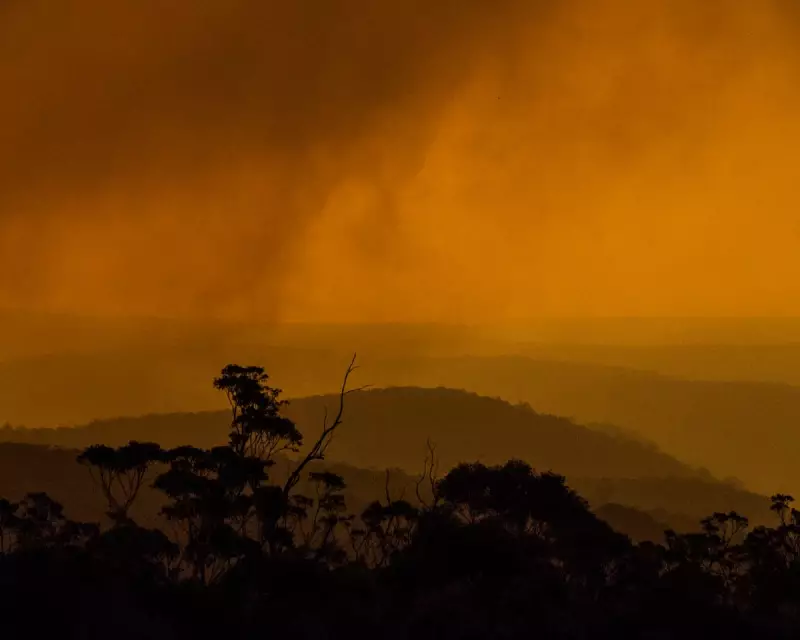
As a climate scientist, I know the searing heatwaves gripping Australia are a harbinger of a worsening future. My mind is drawn back to the Black Summer of 2019-2020, a memory now rekindled by the severe heatwave currently enveloping south-eastern Australia.
A Poetic and Chilling Omen from the Past
During the Black Summer, I took my young daughters to a pool in western Sydney for respite. The Gospers Mountain fire was burning in the Blue Mountains, but the smoke seemed manageable. Then, after just minutes in the water, ash began to fall from the sky. The delicate black flakes settled gently on my children's heads, a silent, poetic, and deeply unsettling omen for the world they would inherit.
Now, six years later, a major heatwave has taken hold. Melbourne and western Sydney are facing temperatures in the low 40s Celsius, with regional towns in Victoria and New South Wales expecting even higher. Canberra is enduring consecutive days in the high 30s. The Bureau of Meteorology has declared severe to extreme heatwave conditions for large areas of South Australia, Victoria, New South Wales, and the ACT, lasting until Saturday.
The Dangerous Convergence of Heat and Fire
From Friday, a cold front is forecast to bring strong winds across Victoria and New South Wales. This creates an exceptionally dangerous scenario for fire weather, eerily reminiscent of the conditions that led to the catastrophic Black Saturday fires in 2009. Significant fires are already burning in Victoria.
There are, however, some mitigating factors. Australia is not currently in a multi-year drought, unlike in 2009 or 2019, meaning vegetation fuel is not as dry. We also now have a national fire danger rating system and greater public awareness. While these elements may help prevent a disaster on the scale of past events, complacency is not an option.
The health impacts of such extreme heat cannot be overstated. Extreme heat kills more Australians than all other natural hazards combined. We have been somewhat sheltered from a heatwave of this severity for over five years, partly due to the run of La Niña events which brought flooding but also temporarily suppressed extreme heat patterns.
The Unignorable Role of Climate Change
The central, undeniable driver behind this trend is climate change. The scientific link is among the most robust in the world: as global average temperatures rise, so too will the frequency, duration, and intensity of heatwaves. This is true for Australia and across the globe.
While the specific attribution for this current event will take time, the influence of climate change is almost certainly substantial. The path forward requires a dual approach. Achieving net-zero emissions is imperative to stabilise global temperatures in the long term, but recent research shows Australian heatwaves will continue worsening for centuries even after net zero is reached.
This means adaptation is now equally critical. We must legislate permanent adaptation measures, boost public health investment to cope with heat-related illness, and continue public education. Net zero alone is no longer sufficient.
My daughters, now older, are beginning to ask questions about the droughts, fires, and heatwaves they see. They deserve honest answers. If their generation is to face these escalating challenges, we must act with far greater urgency. The quiet fall of ash was a warning we must now heed with loud and decisive action.



