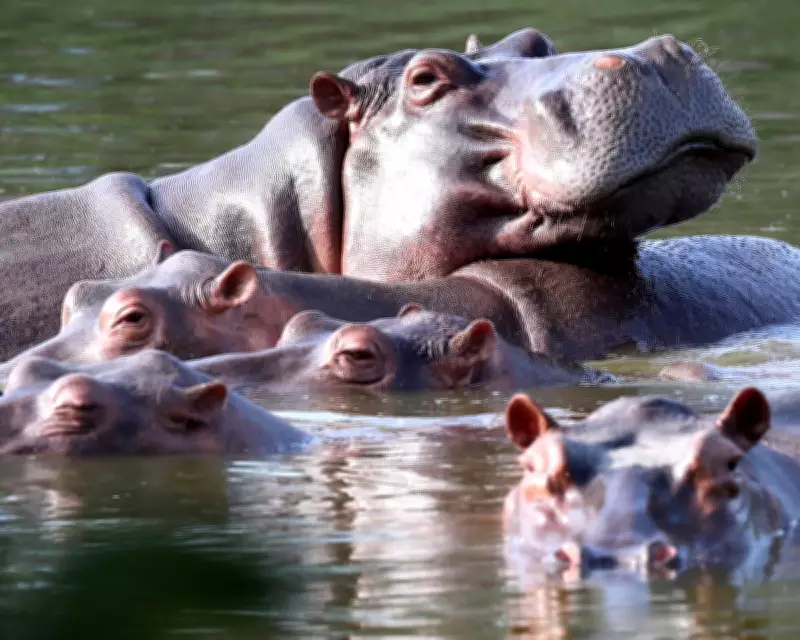
Colombia Authorizes Culling of Escobar's Hippo Legacy to Protect Ecosystems
Colombian environmental authorities have approved a controversial plan to cull up to 80 hippos that are descended from animals originally imported by the notorious drug lord Pablo Escobar in the 1980s. This decision comes after years of struggling to control the rapidly growing feral population, which now poses significant threats to native species and local communities in the Magdalena River valley.
The Escobar Connection and Environmental Impact
The hippos currently roaming Colombia's waterways trace their origins to just four individuals that Escobar brought to his extravagant Hacienda Nápoles estate in Puerto Triunfo as part of his private zoo collection. Following the drug kingpin's death and the government's seizure of his properties, these animals escaped or were released, establishing what has become the only wild hippo population outside of Africa.
Environment Minister Irene Vélez explained that previous control methods, including sterilization programs and attempts to relocate animals to zoos, have proven both prohibitively expensive and largely ineffective. "If we don't do this we will not be able to control the population," Vélez stated. "We have to take this action to preserve our ecosystems."

Growing Population and Expanding Territory
A recent study from Colombia's National University estimated that approximately 170 hippos were freely roaming the country in 2022, representing a dramatic increase from the original four animals. These massive mammals have been spotted more than 100 kilometers north of their original introduction site at Hacienda Nápoles, demonstrating their remarkable adaptability and territorial expansion.
The environmental consequences have been severe, with hippos competing directly with native species like river manatees for food and habitat. Additionally, their presence has created dangerous situations for villagers who encounter the unpredictable animals on farms and in rivers throughout the region.
Tourism Boom and Conservation Dilemma
Ironically, the very animals causing ecological disruption have become an unexpected tourist attraction. Local entrepreneurs now offer hippo-spotting tours around the former Escobar estate, while souvenir shops sell hippo-themed merchandise to visitors. The Hacienda Nápoles property itself has been transformed into a theme park featuring swimming pools, water slides, and a zoo that includes several other African species.
This tourism development has created a complex situation where economic benefits from the hippos conflict with environmental protection needs. The animals have become both a source of local income and a significant ecological threat, forcing officials to make difficult decisions about population management.
Animal Rights Opposition and Ethical Concerns
The culling plan has faced strong opposition from animal welfare activists who argue that the hippos deserve protection and that lethal measures set a dangerous precedent. Senator Andrea Padilla, an animal rights advocate who helped draft Colombia's bullfighting ban legislation, described the decision as "cruel" and accused government officials of taking the easiest path rather than pursuing more humane alternatives.
"Killings and massacres will never be acceptable," Padilla declared in a social media statement. "These are healthy creatures who are victims of the negligence of government entities."
Limited Options and Genetic Challenges
Over the past twelve years, spanning three different presidential administrations, Colombia has attempted to control the hippo population through sterilization programs. However, these efforts have been limited by the extreme costs and dangers associated with capturing and performing surgery on the massive, unpredictable animals.
Returning the hippos to Africa has been ruled out as unfeasible due to concerns about their limited genetic diversity and potential disease transmission. The animals descended from just four founders, creating a genetic bottleneck that makes reintroduction to their native habitat problematic and potentially harmful to African hippo populations.

The Colombian government now faces the challenging task of implementing the culling program while balancing environmental protection, public safety concerns, and ethical considerations about wildlife management in a country still healing from decades of internal conflict.