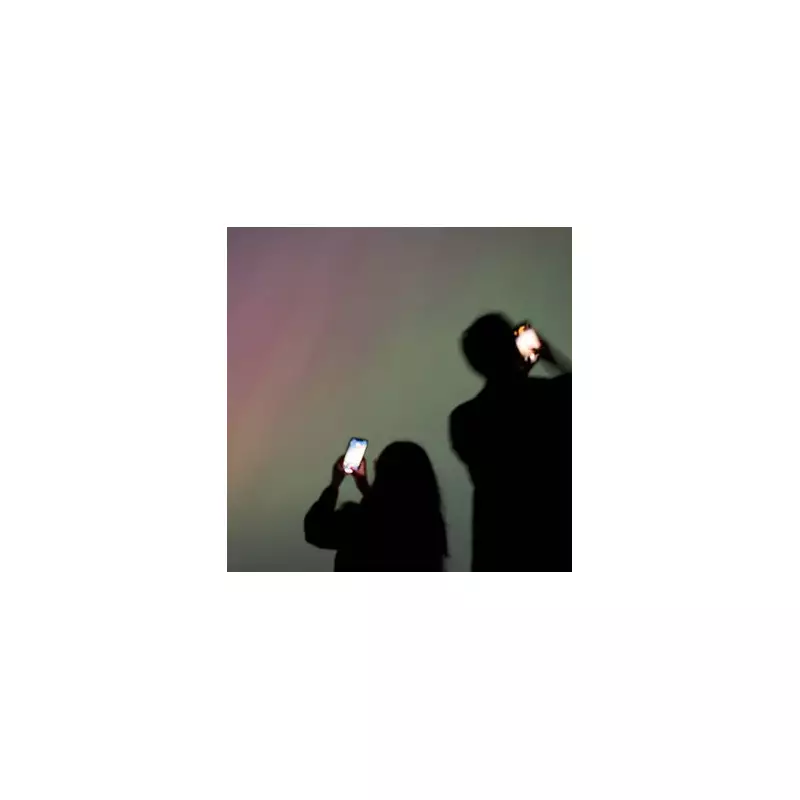
The Met Office has issued a stark warning for a severe geomagnetic storm set to hit Earth tomorrow, Tuesday 20 January 2026, following a massive eruption on the Sun. This event significantly boosts the chance of seeing the Northern Lights across the UK, though cloudy weather may spoil the view for many.
Powerful Solar Flare Sparks Storm Warning
The alert was triggered after the Sun blasted a powerful X-class solar flare directly towards our planet. This explosion hurled a colossal cloud of solar material, known as a coronal mass ejection (CME), into space. The CME, an enormous eruption of plasma and magnetic fields from the Sun's outer atmosphere, is now on a collision course with Earth's magnetic field.
The Met Office forecasts the incoming CME will likely trigger a strong G3 category geomagnetic storm, with a risk of escalating to a severe G4 event. The space weather scale runs from G1 (minor) to G5 (extreme), with G4 storms capable of causing widespread technological disruptions.

Potential Impacts and Aurora Forecast
Such severe space weather can have several consequences. Satellite operators may face tracking difficulties and orientation problems due to increased drag in low Earth orbit. Radio frequencies and GPS signals could be degraded or interrupted for several hours. There is also a low risk of induced currents affecting power grids, though infrastructure operators are being advised.
On the spectacular side, the collision of solar particles with our atmosphere promises a vivid display of the aurora borealis, or Northern Lights. The Met Office indicates that under clear, dark skies, the aurora would likely be visible across Scotland, Northern Ireland, northern England, and Wales. With strong G4-level activity, there is even a chance the shimmering lights could be seen further south in the UK.
Will Cloudy Skies Block the View?
Unfortunately, the celestial show may be obscured for many. Krista Hammond, the Met Office Space Weather Manager, provided a cautious outlook: “The CME is likely to result in geomagnetic storming, giving the potential to view the aurora. However, sightings are dependent on the CME arriving during hours of darkness and clear skies. Unfortunately, cloud and rain on Tuesday evening may make viewing difficult, even if the timing is favourable.”
This heightened solar activity is a natural part of the Sun's 11-year cycle, which is currently near its peak. While the immediate spectacle of the aurora captures public imagination, the event serves as a reminder of our planet's vulnerability to space weather and the importance of continuous monitoring by agencies like the Met Office.