Spring-Like Temperatures Bring Relief From Winter Chill
After days of frost, ice, and snow warnings across the United Kingdom, forecasters predict a significant shift this weekend with temperatures potentially climbing to a balmy 16C (61F). This dramatic change marks the end of the recent wintry conditions that have gripped the nation, bringing a milder and brighter feel to many regions. However, this apparent spring preview comes with a serious caveat: persistent showers and heavy rainfall are expected to continue, elevating flood risks on already saturated ground.
Milder Weather Masks Unsettled Conditions
Sky News weather producer Jo Wheeler cautions residents against premature optimism. "Don't be fooled!" she emphasizes, noting that while temperatures will surpass seasonal norms by several degrees, the conditions remain fundamentally unsettled. The UK has endured an exceptionally wet start to 2026, with some areas experiencing 51 consecutive days of rain. Wheeler explains, "If we're looking for a glimmer of hope, let alone a glimmer of sunshine, it will turn milder over the next few days. Not a heatwave, let's not get ahead of ourselves, but temperatures surpassing seasonal norms by a few degrees."
The highest temperature recorded so far this year was 13.9C (57F) on February 6th, making the predicted 16C in southern England on Saturday notably warmer. Northern regions will experience cooler conditions, but the overall trend is toward early teen temperatures across the country. This shift is driven by low-pressure systems approaching from the Atlantic, which are drawing warmth from Iberia.

Significant Flooding Threats Persist Nationwide
Despite the rising temperatures, the risk of flooding remains critically high. On Friday afternoon, more than 60 flood warnings were active in England alone, affecting rivers such as the Ebble, Wylye, Avon, Frome, and Severn in areas including Salisbury, Ringwood, Christchurch, Dorchester, Tewkesbury, and Gloucester. The Environment Agency has also issued multiple groundwater flood warnings in Wiltshire, Hampshire, and Dorset, where rising water tables threaten cellars and basements.
Recent data from the UK Centre for Ecology and Hydrology reveals the severity of the situation: Northern Ireland and southwest England experienced their wettest January on record, while southern English counties saw one of the five wettest Januarys since 1890. This relentless rainfall, attributed to a "blocking pattern" in the atmosphere, has left ground thoroughly saturated and highly vulnerable to additional precipitation.
Atlantic Systems Bring Wet and Windy Weather
Atlantic weather systems continue to dominate the forecast, promising bouts of wet and windy conditions. Wheeler notes, "It will be Northern Ireland and western Scotland that will bear the brunt of the wet weather over coming days, putting the highest rainfall totals in the northwest." These regions, along with others across the UK, face ongoing challenges from heavy rain that could exacerbate existing flood concerns.
The recent cold snap prompted the Met Office to issue yellow weather warnings for rain, snow, and ice, partly due to Storm Pedro—named by the French meteorological service. Additionally, the UK Health Security Agency (UKHSA) maintained cold weather alerts across most of England, excluding London and the southeast, until Friday evening.
Expert Advice: Remain Cautious and Prepared
While the weekend offers a reprieve from freezing temperatures, experts urge the public to stay vigilant. Wheeler warns gardeners and residents alike not to interpret the mild spell as a definitive arrival of spring. "There's still the potential for temperatures to return to average values; maybe even lower than average," she states. The combination of warmer air and persistent rainfall creates a complex scenario where improved thermal conditions do not equate to reduced environmental hazards.
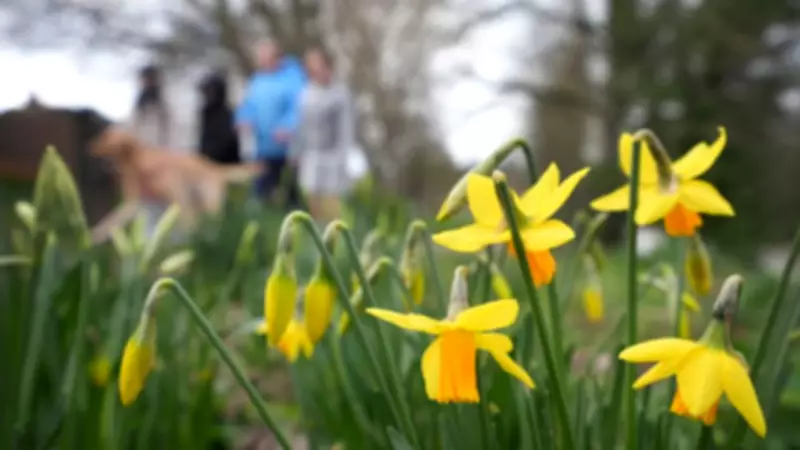
As daffodils begin to bloom in Kent and other signs of spring emerge, the underlying message from meteorologists is clear: enjoy the milder weather, but remain prepared for sudden changes and ongoing flood risks. The UK's weather pattern remains in a state of flux, balancing temporary warmth against a backdrop of saturated landscapes and active Atlantic disturbances.