Hackney Council Announces Comprehensive Air Quality Strategy
Hackney Council has unveiled an ambitious new five-year plan to combat air pollution across the borough, setting stricter targets aligned with World Health Organisation guidelines. The local authority aims to deliver "cleaner and healthier air" by 2030 through a multi-pronged approach addressing various pollution sources.
Targeting Multiple Pollution Sources
The council's Air Quality Action Plan identifies several key areas for intervention over the coming years. These include:
- Building and construction emissions from development projects across the borough
- Commercial kitchens and takeaways that contribute to localised pollution
- Wood-burning practices in residential properties
- Vehicle idling where drivers leave engines running while parked
The council plans to review parking and enforcement regulations as part of these efforts, while also introducing measures to improve indoor air quality. This includes a proposed loan scheme for home air quality monitors, allowing residents to better understand their immediate environment.

Resident Opposition to Existing Measures
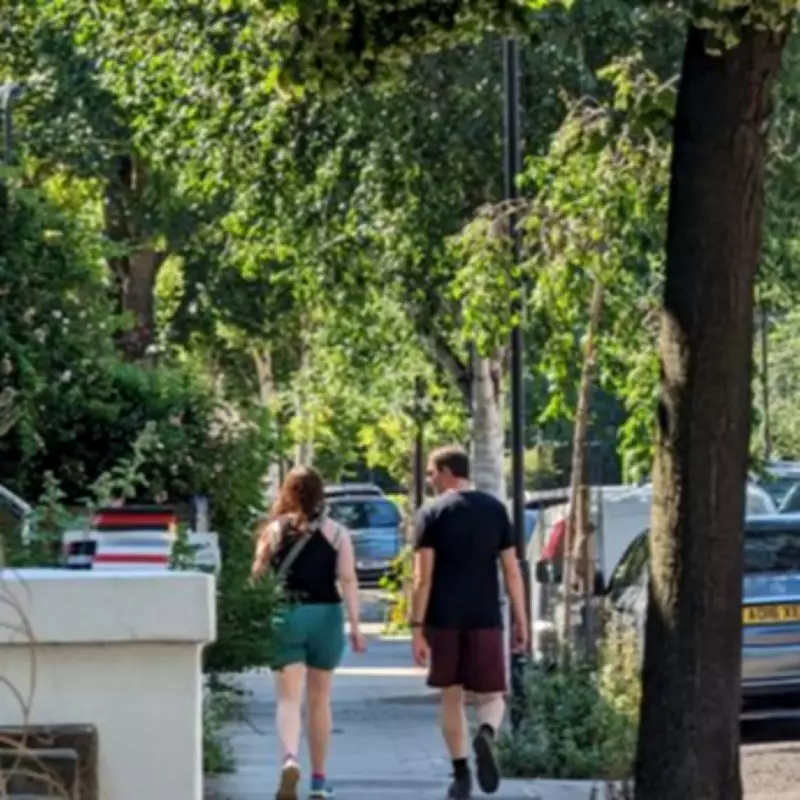
The announcement comes amid significant controversy surrounding the council's existing low-traffic neighbourhood (LTN) schemes. Approximately 70% of eligible roads in Hackney now fall within low-traffic zones, a policy that has generated substantial resident opposition.
Local resident ShaToya Rose, who helped organise a petition with 1,800 signatures against "excessive" road closures, voiced concerns that LTNs have actually increased congestion in some areas. She argued this creates greater exposure to vehicle emissions for children in playgrounds and during school journeys.
"Residents are missing hospital appointments because of gridlocked traffic," Ms Rose stated. "Paramedics report delays due to congestion, and lives are being put at risk." She described the situation as a "public health issue" that has eroded community trust in the council's approach.
Council Defends Progress Amid Criticism
Cabinet Member for Climate, Environment and Transport, Councillor Sarah Young, defended the council's record during a recent meeting. She cited independent data showing LTNs have "dramatically" improved air quality in affected areas.
"Air pollution remains one of the biggest environmental threats to our health," Cllr Young acknowledged. "It affects people at every stage of life and is linked to conditions including asthma, heart disease and dementia. While our data shows that nitrogen dioxide levels have fallen significantly, we know there is more to do."
The council meeting became particularly heated when protesters interrupted proceedings, calling out Mayor Caroline Woodley as she attempted to move to other business items.
Consultation Reveals Mixed Responses
Last year's consultation on air quality improvements revealed significant community concerns. Nearly half of respondents (47.7%) expressed dissatisfaction with the council's current approach to pollution reduction.
The council received what it described as a "significant volume" of comments expressing "strong dissatisfaction" with traffic management schemes, particularly regarding congestion on main and boundary roads. Residents argued these policies unfairly impact those living near these thoroughfares.
Despite the controversy, Cllr Young highlighted what she called "huge progress" achieved through LTNs, expanded cycle lanes, street tree planting and other environmental policies implemented in recent years.
Ongoing Community Engagement
Responding to the new air quality plans, ShaToya Rose told the Local Democracy Reporting Service: "We all want cleaner air, but policies must work in the real lives of the people they affect. Residents across Hackney are continuing to report serious impacts, and progress only works when communities are genuinely listened to."
Ms Rose announced that residents are planning another protest against road closures and LTNs scheduled for Wednesday, February 18, indicating that community opposition remains organised and vocal.

The council's cabinet formally approved the new Air Quality Action Plan last week following the consultation process, setting the stage for implementation of stricter pollution controls alongside continued debate about traffic management approaches.