The UK government's plan to impose a 6% levy on international student tuition fees has drawn sharp criticism from higher education leaders, who warn it could cost universities hundreds of millions and undermine Britain's position in the global education market.
Golden Opportunity Under Threat
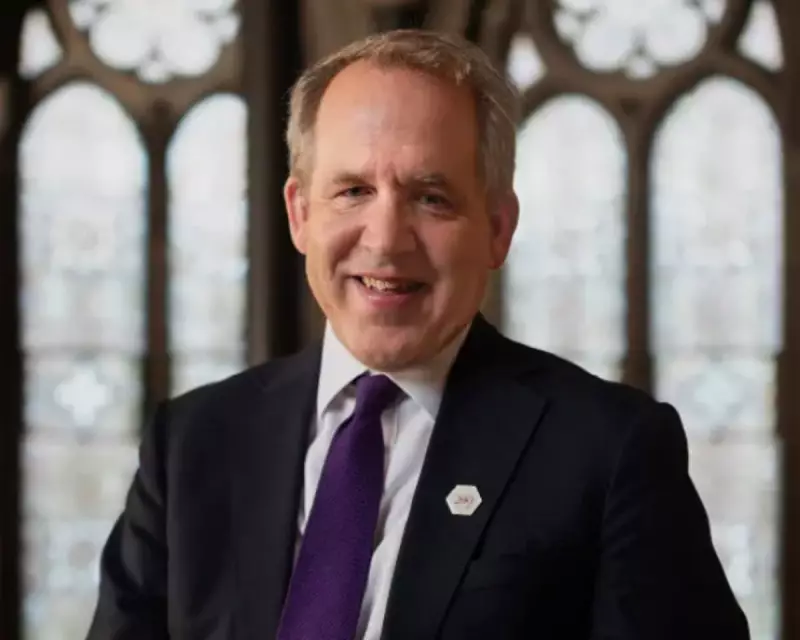
Duncan Ivison, the president and vice-chancellor of the University of Manchester, believes Britain has a golden opportunity to become the world's leading destination for international students. He points to recent clampdowns in the United States and new limits in Canada as creating ideal conditions for the UK to attract global talent.
Higher education is something the UK does really, really well, Ivison stated. It is a kind of jewel in the crown. We have a chance to really become a global destination for the best and the brightest.

However, the proposed international student levy threatens this opportunity. The surcharge, expected to be detailed in Chancellor Rachel Reeves's upcoming budget, would represent a significant financial blow to universities already facing severe pressures.
Financial Impact on Universities
Analysts estimate the 6% levy could cost English universities more than £600 million annually, with leading institutions like the University of Manchester particularly affected. Manchester hosts one of the country's largest international student populations, with approximately 10,000 students from more than 160 countries.
Chinese students constitute the largest single group, representing one in five of all students at the university.
It's going to cause financial pain for all of us, Ivison warned. We cannot simply pass on a 6% levy to our international students. We don't think the market will bear it.
The University of Manchester could face annual costs of £20-30 million if the levy is implemented, forcing the institution to absorb these costs from its existing balance sheet.
Broader Sector Concerns
The UK higher education sector faces multiple challenges, including:
- Mass redundancies across institutions
- Course cuts and financial difficulties
- Reduced international recruitment since 2023
- Eroded domestic tuition fees due to inflation
Universities have increasingly relied on international student fees to subsidise teaching for UK students. Recent immigration and visa changes have already triggered declines in international recruitment.
Ivison acknowledged the government's intention to use levy proceeds to fund maintenance grants for disadvantaged students, but argued there are better ways to fund improving support for students.
In response to these challenges, the University of Manchester has launched a £400 million fundraising appeal to build future resilience. Philanthropy needs to be a big part of our future, Ivison explained. It gives you a bit of independence from the state.
The vice-chancellor's warning comes at a critical time for UK higher education, with the sector's global competitiveness hanging in the balance as government policymakers finalise their budget plans.