NSW School Hate Speech Guidelines Raise Alarm Over Gaza Discussion Suppression
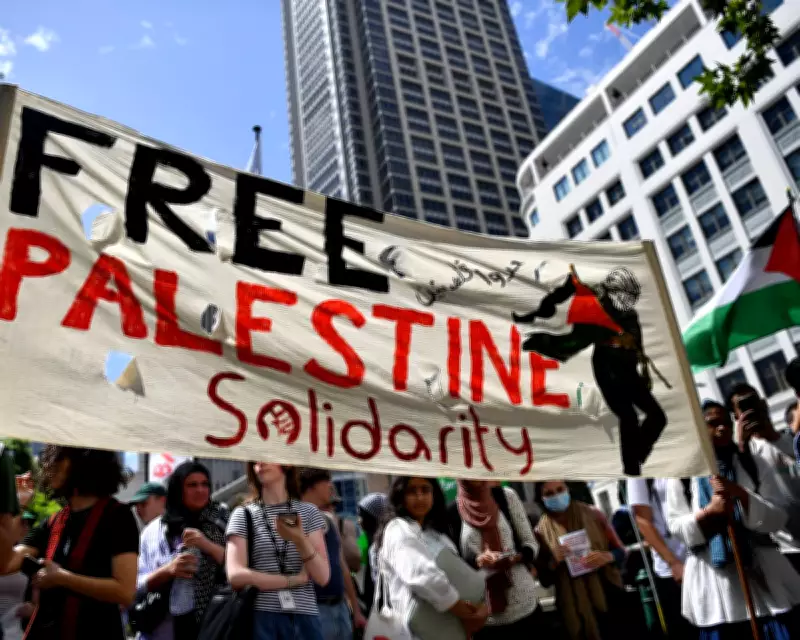
Teachers and legal experts in New South Wales have voiced significant concerns that newly implemented hate speech guidelines could effectively silence classroom discussions about the ongoing conflict in Gaza. The NSW government has amended codes of conduct to explicitly prohibit hate speech across all government, independent, and Catholic schools, with the changes taking immediate effect.
Government Position Versus Educational Concerns
Premier Chris Minns has emphasised that the new NSW Education Standards Authority guidelines are "not an attack on freedom of speech ... or concern about Palestinians and innocent civilians in Gaza." The premier explained that these measures follow existing hate speech legislation and will enable sanctions against teachers who breach conduct rules, regardless of whether police pursue prosecution.
However, Timothy Roberts, President of the NSW Council for Civil Liberties and a former education officer, warned that this move risks being perceived as an attempt to suppress Palestine-related discussions in educational settings. "Schools should be places where students are free to ask difficult questions, and teachers safe to answer them," Roberts stated, expressing disappointment that the government appears to lack trust in teaching professionals.

Specific Concerns from Teaching Community
Chris Breen, organiser for Teachers and School Staff for Palestine NSW, described the guidelines as "a political attack on free speech" and expressed deep concern about how the code might be applied. Breen suggested that approximately 200 members of their advocacy group could potentially face dismissal for expressing support for Palestinian causes.
The controversy follows a September report by the Australian Palestinian Advocacy Network which documented widespread anti-Palestinian racism in Australian schools since October 2023. The report described a "climate of fear, censorship, intimidation and punishment" that has prevented open discussion about the Gaza conflict.
Legal Framework and Implementation Questions
The guidelines define hate speech according to section 93ZAA of the NSW Crimes Act, which criminalises inciting hatred on racial grounds. This legislation became law in August last year despite warnings from the NSW Law Reform Commission about introducing "imprecision and subjectivity into the criminal law."
Professor Luke McNamara, a hate speech expert at the University of NSW law school, questioned the appropriateness of Nesa determining whether hate speech offences have occurred without police involvement. "If a teacher is suspected of having committed the serious crime of intentionally inciting racial hatred, the appropriate course of action is to refer the matter to the police," McNamara advised.
Broader Educational Context
Deputy Premier and Education Minister Prue Car explained that following complaints, Nesa would investigate whether specific comments constitute hate speech before potentially directing schools to terminate employment. The guidelines apply to conduct both inside and outside classrooms, including social media activity.
While some educational leaders have welcomed policies supporting safe school environments, concerns persist about potential chilling effects on classroom discourse. Andy Mison, President of the Australian Secondary Principals' Association, noted that implementation must be supported by "clear guidance and professional learning" to avoid inhibiting the open, respectful discussions essential to quality education.
The debate occurs against a backdrop of heightened sensitivity following the Bondi beach terror attack and ongoing discussions about antisemitism in educational institutions. The opposition has proposed legislation requiring universities, government agencies, and local councils to adopt the International Holocaust Remembrance Alliance definition of antisemitism.