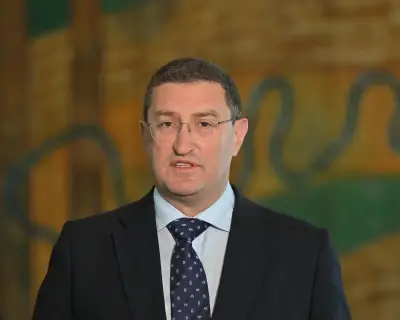
A university has taken the drastic step of expelling a student who publicly called for accountability regarding a recent fire incident in Hong Kong. The student, identified as Miles Kwan, was removed from the institution after making statements that university officials deemed to violate campus policies on conduct and political expression.
Details of the Incident and Expulsion
The expulsion centers on a fire that occurred in Hong Kong, an event that has drawn significant attention and controversy. Miles Kwan, a student at the university, used social media and campus forums to demand transparency and accountability from authorities involved in the fire's aftermath. His calls included public statements urging investigations into potential negligence or misconduct related to the incident.
University's Justification and Response
University administrators stated that Kwan's actions breached specific codes of conduct, which prohibit activities that could disrupt campus harmony or involve unsanctioned political advocacy. In a formal announcement, the university emphasized its commitment to maintaining a neutral and safe educational environment, arguing that Kwan's behavior crossed lines into inappropriate political agitation.

The decision has ignited a fierce debate among students, faculty, and external observers. Supporters of Kwan argue that his expulsion represents an infringement on academic freedom and the right to free speech, particularly in contexts involving social justice and public accountability. They contend that universities should be spaces for critical discourse, even on sensitive political matters.
Broader Implications for Higher Education
Critics of the university's move warn that it could set a dangerous precedent, chilling student activism and stifling open discussion on contentious issues. This case raises questions about how institutions balance disciplinary measures with the protection of expressive rights, especially in regions with complex political dynamics like Hong Kong.
Conversely, some defend the expulsion, citing the need for universities to enforce rules that prevent campus disruptions or conflicts. They highlight that educational institutions have a responsibility to uphold order and focus on academic pursuits, rather than becoming arenas for political battles.
Reactions and Ongoing Fallout
The fallout from this expulsion is ongoing, with student groups organizing protests and petitions to reinstate Kwan. Academic freedom organizations have also weighed in, calling for a review of the university's policies to ensure they align with international standards on free expression.
As the situation develops, it underscores the tensions between institutional authority and individual rights in academia. The case of Miles Kwan serves as a poignant example of how universities navigate the delicate intersection of education, politics, and social responsibility in today's global landscape.