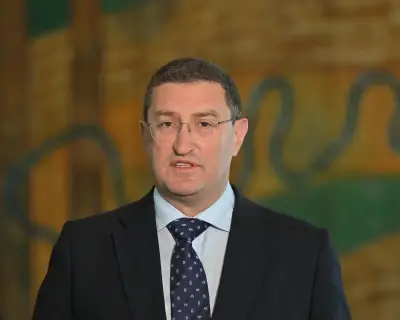
A prominent anti-abortion campaigner has made startling claims about special protection from her employer against complaints from ideological opponents, raising significant questions about academic freedom and institutional neutrality in higher education.
Controversial Immunity Claim
Joanna Howe, an anti-abortion activist and law professor at the University of Adelaide, asserts that her employer has granted her immunity from complaints filed by individuals supporting abortion rights. Howe, who has publicly pledged to make abortion "unthinkable," states the university agreed that complaints from those with opposing ideological views would be considered "vexatious" and wouldn't be investigated.
The University of Adelaide responded cautiously to these claims, stating only that it "considers each matter on its merits in line with the university's enterprise agreement and applicable policies and procedures." This non-committal response has fueled further debate about the institution's position on handling complaints against staff involved in controversial public campaigns.

History of Parliamentary Conflicts
Howe's activism has previously drawn official sanctions. Following a debate on late-term abortion legislation, she was banned from the South Australian parliament after upper house president Terry Stephens received complaints from MPs alleging she used "insults and threatening and intimidating tactics."
The controversy extended beyond South Australia when then New South Wales Liberal leader Mark Speakman accused Howe of "brazen bullying" regarding proposed legislation in that state. Her confrontational approach continued when she called Premier Chris Minns a "snowflake" after he criticised her for spreading what he termed an "enormous amount of misinformation and lies."
Howe's tactics have included creating what she termed a "fun little game" - a bingo card-style fundraiser during an emotional parliamentary debate about late-term abortion. She claims this raised $7,000, though South Australia's attorney general Kyam Maher referred the matter to authorities for potentially violating lottery rules.
Legal Battles and University Investigations
The relationship between Howe and her employer has been strained by multiple investigations. The university has conducted six separate investigations into complaints against Howe, with one reportedly resulting in the institution requiring her to complete an anti-bias course.
Howe responded by spending $100,000 taking the university to the Fair Work Commission for bullying, a case that proceeded to conciliation. While Howe claims victory because she didn't have to complete the course, the FWC maintains that conciliation outcomes remain confidential.
According to Howe, the conciliation resulted in "a new process around complaints" where the university agreed not to pursue complaints from individuals with opposing ideological positions. A statement released by Howe indicated she wouldn't have to "comply with the corrective actions" and that "the parties have agreed on a process regarding the investigation of complaints moving forward."
However, it's understood that multiple complaints concerning behavioural issues, conflict of interest, and research integrity have been raised since the FWC conciliation, suggesting ongoing tensions between academic freedom and professional conduct standards.
Howe has not responded directly to media inquiries but took to Instagram to accuse "TikTok trolls" of attempting to get her sacked and claiming Guardian Australia was "writing a hit piece" that misunderstood free speech principles. She asserted that "these people don't think I should exist" and vowed to continue speaking up for "the babies" despite opposition.