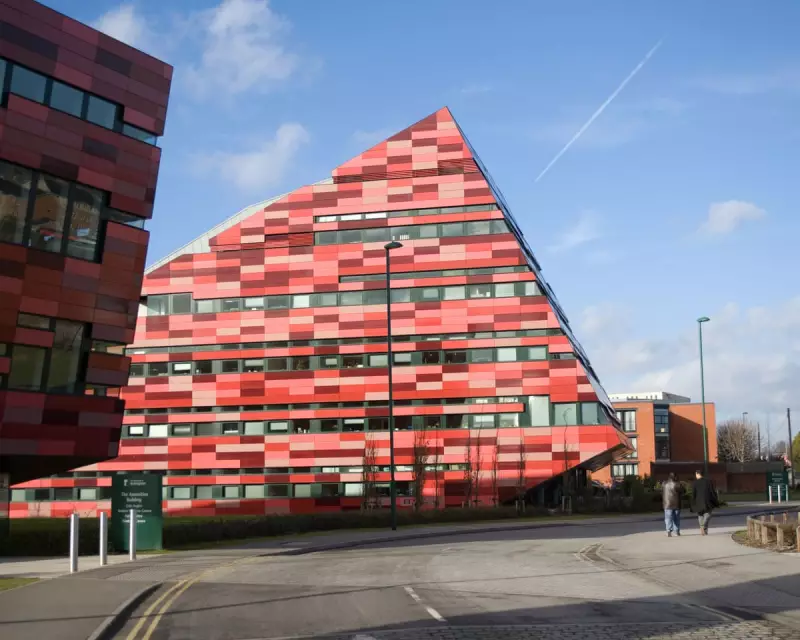
The University of Nottingham is considering drastic cuts to its academic portfolio that could see 48 degree courses disappear, including modern languages and music. The Russell Group institution's council will make the final decision next week, but the university has already stopped accepting applications for the affected courses for the next academic year.
East Midlands facing 'linguistic desert'
If approved, the closures would make Nottingham the only Russell Group university not to teach modern foreign languages degrees. Supporters of the languages centre warn this would create a 'linguistic desert' in the East Midlands, following previous closures at Leicester and Nottingham Trent universities.
More than 15,000 students, staff, alumni and leading academics have signed a petition opposing what they describe as 'reckless' cuts. The petition warns that closing one of the UK's most prestigious language centres, which offers German, Chinese and other languages, would damage Nottingham's reputation.
Professor Cecilia Gloria, director of the languages school, expressed grave concerns: 'An entire generation of aspiring linguists, translators and cultural mediators will find themselves geographically excluded from higher education in their chosen field.'
Union condemns 'ideological change'
The university has faced industrial action from the University and College Union (UCU) over potential job losses, though strikes have been suspended after the administration agreed to avoid redundancies until October next year.
Professor Lopa Leach, Nottingham UCU branch president, criticised the proposed cuts as both financially and ideologically motivated. 'They are suspending or closing degrees that they incorrectly believe are no longer affordable,' she said. 'But a Russell Group university without modern languages or music, I mean, come on. One of my colleagues says we will become known as the University of Little England.'
Leach suggested university leaders were responding to concerns about overseas student numbers and perceptions that undergraduates want more 'useful' degrees, but argued this misunderstood the value of languages and music.
University cites financial pressures
A university spokesperson acknowledged the important place of music and modern languages but pointed to falling revenues and rising costs as driving the review. While welcoming the government's decision to increase domestic tuition fees, the university said any gains would likely be wiped out by the proposed levy on international student fees.
'A societal shift has significantly affected student demand for music and modern languages degrees over recent years,' the spokesperson said, 'with the downward trend in recruitment reflecting changing demographics and educational and career preferences.'
The university emphasised it was developing plans for skills provision separately from degree courses and noted that the affected courses account for less than 5% of its approximately 1,000 taught courses.
Music department's 'world-leading' reputation at risk
Professor Lonán Ó Briain, head of music at Nottingham, defended his department's outstanding record. 'The department has educated thousands of composers, researchers, performers, educators and other creative professionals,' he said.
He highlighted that the music department ranked second out of all units in the university during the last national research assessment and maintained deep connections with local schools, community groups and professional ensembles.
'The closure of the department would not only dismantle a thriving academic and cultural institution,' Ó Briain warned, 'but also severely diminish musical life and future opportunities across Nottingham, the wider East Midlands and the nation as a whole.'
With the crucial council meeting just days away, staff and supporters continue to fight against what they see as short-sighted cuts that could permanently damage the university's academic standing and cultural contribution.