A University of Louisville professor has launched a federal lawsuit against the institution after his course on Israel and Palestine was abruptly cancelled, sparking concerns about academic freedom and political interference in higher education.
The Cancelled Course and Legal Challenge
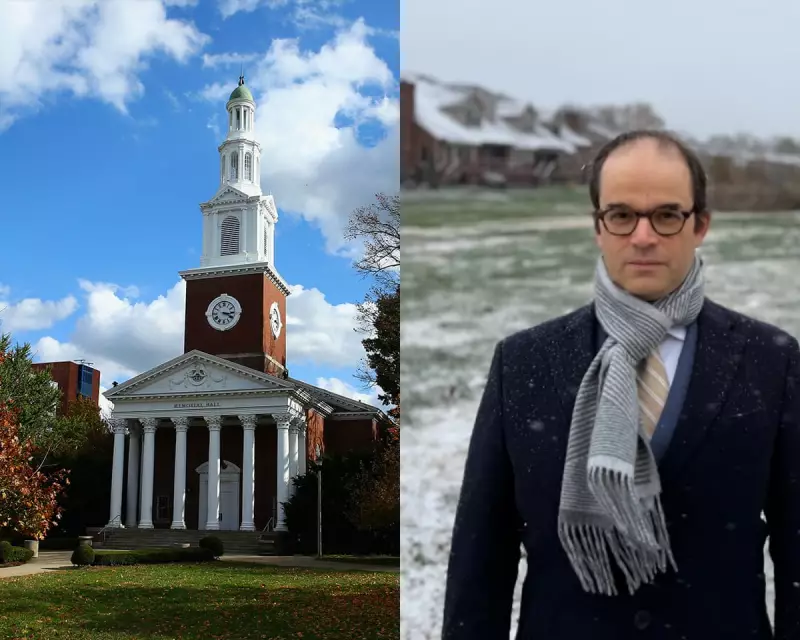
Dr. R. Scott Erwin, a respected professor in the university's interdisciplinary program, had developed a course titled "Palestinian Liberation and Israeli Occupation: Settler Colonialism and Apartheid." The course was scheduled to run during the autumn 2024 semester and had already attracted student enrolments when university administrators intervened.
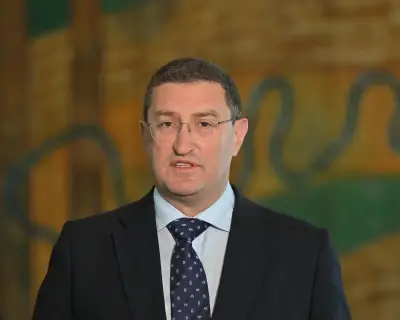
According to the lawsuit filed in US district court, the cancellation occurred after Kentucky's attorney general Russell Coleman and other Republican officials publicly criticised the course content. The legal action names both the University of Louisville and its interim president, Dr. Gerry Bradley, as defendants.

Dr. Erwin's legal team argues that the university's decision constitutes a clear violation of his First Amendment rights and represents unlawful censorship driven by political pressure rather than academic considerations.
Political Pressure and Institutional Response
The controversy began when Attorney General Coleman sent a letter to the university demanding information about the course and questioning whether it violated state laws against antisemitism. This intervention came alongside criticism from other Republican figures, creating significant political pressure on the institution.
University administrators responded by cancelling the course in August 2024, citing "potential violations of university policies and state law" despite the course having undergone standard academic approval processes. The lawsuit contends that the administration provided no specific examples of actual policy violations and acted primarily to avoid political controversy.
This case emerges against a backdrop of increasing political scrutiny of university curricula across the United States, particularly regarding courses dealing with Middle Eastern politics and the Israeli-Palestinian conflict.
Broader Implications for Academic Freedom
The legal battle raises fundamental questions about the protection of academic freedom in American universities, especially when courses address politically sensitive topics. Legal experts suggest the case could establish important precedents regarding political interference in curriculum development.
Dr. Erwin's lawsuit seeks reinstatement of the cancelled course and financial compensation for damages. It also aims to prevent similar censorship of academic content in future, arguing that universities must remain spaces for open inquiry and diverse perspectives.
The University of Louisville has declined to comment extensively on the ongoing litigation, stating only that they "stand by their decision" and will respond to the allegations through proper legal channels.
This case joins a growing number of academic freedom disputes across US campuses, highlighting the increasing tension between political pressures and educational independence in contemporary higher education.