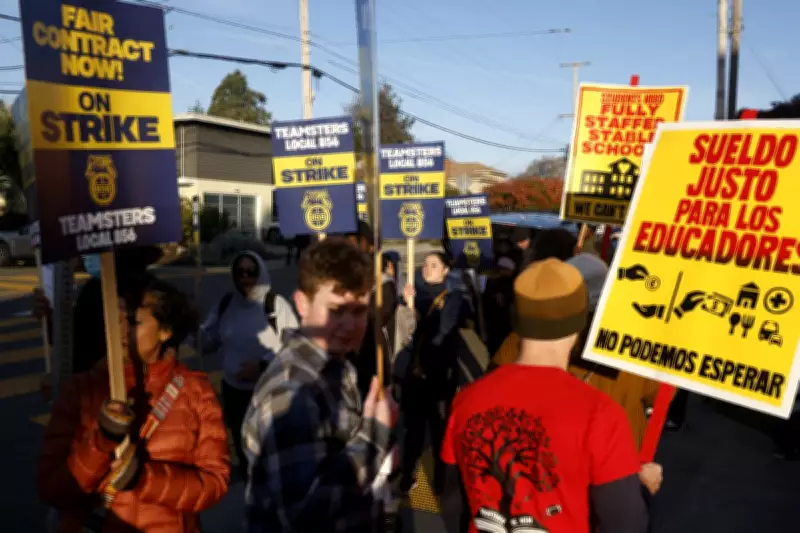
In a significant development for the education sector, teachers across California have initiated a widespread strike, bringing schools to a standstill as they push for substantial improvements in their working conditions and financial support for public education. This industrial action, which began recently, has seen educators from various districts unite in a collective call for change, highlighting deep-seated issues within the state's school system.
Key Demands and Impact on Schools
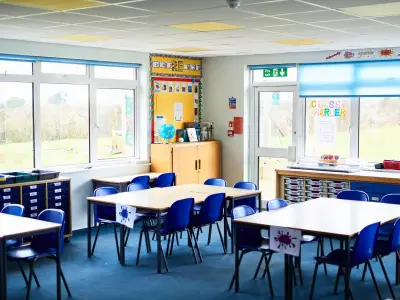
The strike centres on several core demands from teachers, including higher salaries to address the rising cost of living in California, reduced class sizes to enhance student-teacher ratios, and increased investment in school resources such as textbooks and technology. Educators argue that years of underfunding have eroded the quality of education, making it difficult to attract and retain qualified staff. As a result, many schools have been forced to close temporarily, disrupting learning for thousands of students and putting pressure on parents to find alternative childcare arrangements.
Broader Implications for Education Policy
This strike is not just about immediate pay raises; it reflects a broader struggle over the future of public education in California. Teachers are advocating for a long-term commitment to boost education funding, which they say is essential for addressing issues like outdated infrastructure and insufficient support for special needs students. The action has sparked debates among policymakers, with some calling for urgent reforms to prevent further disruptions. If unresolved, the strike could set a precedent for similar movements in other states, potentially reshaping labour relations in the education sector nationwide.
Response from Authorities and Community
In response to the strike, school districts and state officials have expressed concerns about the impact on students' education, while also acknowledging the validity of some teacher grievances. Negotiations are ongoing, but progress has been slow, with both sides remaining firm on their positions. The community has shown mixed reactions, with many parents supporting the teachers' cause due to their children's direct experiences in under-resourced classrooms, though others worry about the prolonged disruption to academic schedules.
As the strike continues, its outcome could influence not only teacher contracts but also state budget allocations for education in the coming years. Observers note that this action underscores the growing tensions between public sector workers and government funding priorities, making it a critical issue to watch in the ongoing discourse on education reform.