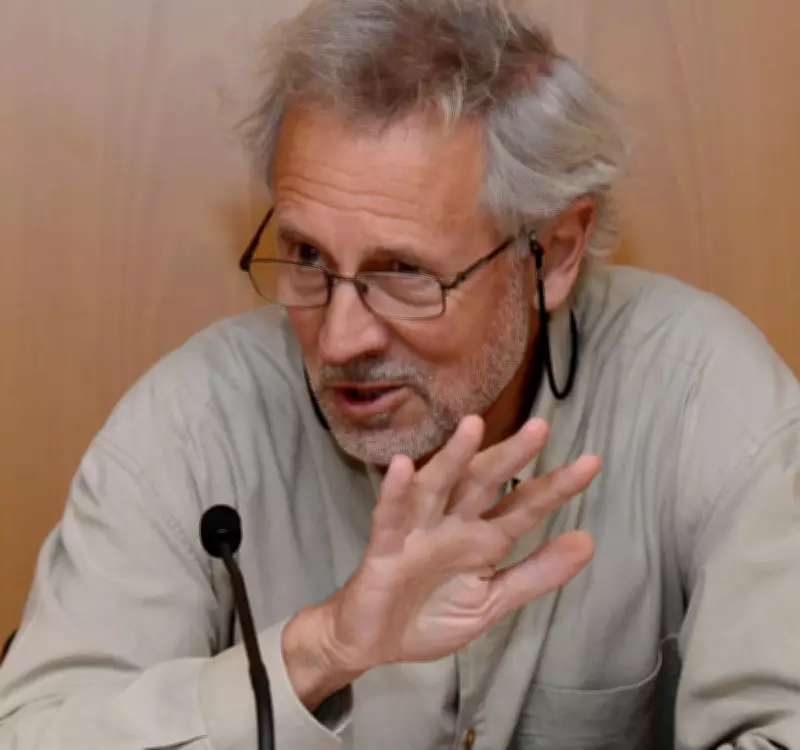
Malcolm Budd, an emeritus professor of philosophy at University College London (UCL) and a highly influential figure in the philosophy of art and nature, has died at the age of 84. His work reshaped how philosophers understand aesthetic experience, particularly in relation to the natural world.
Early Life and Academic Career
Born in 1942, Budd studied at Oxford University before embarking on a distinguished academic career. He spent most of his professional life at UCL, where he became known for his rigorous analytical approach to aesthetics. His 1995 book Values of Art: Pictures, Poetry and Music is considered a landmark text, exploring the nature of artistic value and the criteria for aesthetic judgment.
Contributions to Philosophy
Budd’s work extended beyond traditional art forms to include the aesthetics of nature. In his 2002 book The Aesthetic Appreciation of Nature, he argued that natural beauty should be understood on its own terms, not merely as an extension of artistic appreciation. This work influenced environmental philosophy and our understanding of how humans engage with the natural world.

He was also known for his critical engagement with other philosophers, including a notable debate with Roger Scruton about the nature of music and emotion. Budd’s clarity and precision made him a respected figure in philosophical circles.
Legacy
Colleagues remember him as a dedicated teacher and mentor who inspired generations of students. A statement from UCL’s philosophy department described him as “a philosopher of rare intellectual honesty and depth.”
Budd is survived by his wife, two children, and four grandchildren.