From School Anxiety to Homeschooling Success: A Mother's Journey
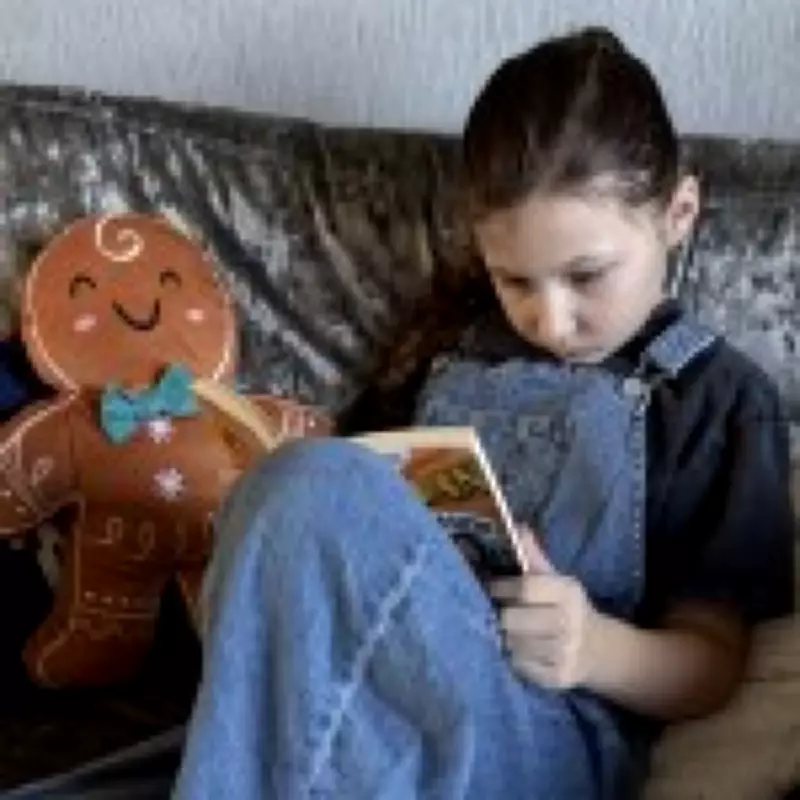
On a typical Monday morning, my daughter Olivia sits at her desk in our living room, pen in hand, deeply engrossed in researching and writing about Ancient Egypt. Her iPad plays gentle music in the background, a smile lights up her face, and she's actively learning about history and civilisations. As I watch her from my own home office setup, I reflect on how far we've come – and how fortunate we are that this peaceful, productive scene now represents our standard homeschool routine.
The Beginning of School-Related Anxiety
Olivia didn't begin Year 3 as a homeschooled child. In September 2024, she was eagerly anticipating returning to class with her friends after the summer break. However, following the Halloween half term, everything changed dramatically. She started complaining of daily stomach aches, with some days becoming physically sick from the distress.
We visited doctors multiple times searching for physical explanations – the only confirmed issue being a severe urinary tract infection she developed from avoiding school toilets because some doors didn't lock properly. Yet all her symptoms ultimately pointed to one underlying problem: school-related anxiety.

When we raised our concerns with her teachers, we learned Olivia had become completely silent in class, refusing to speak with either classmates or educators. The school had attempted various interventions, including placing her in emotional discussion groups, but nothing proved effective.
The Breaking Point and Decision
The situation deteriorated to the point where Olivia had developed such severe school avoidance that I often had to physically drag her there while she kicked and screamed, leaving both of us in tears afterward. We simply couldn't continue this traumatic pattern. I refused to force my child to remain in an environment where she clearly felt miserable.
In January, after two weeks of complete school refusal, I sat down with my eight-year-old daughter for a heartfelt conversation. Listening to her pour out her feelings about overwhelming classrooms, concentration difficulties due to distractions, and an inability to eat in the noisy dining hall absolutely broke my heart. She had clearly been bottling these emotions for some time, explaining why she had gradually lost her spark – laughing less, becoming withdrawn and emotional, and no longer behaving like our vibrant little Olivia.
Choosing the Homeschooling Path
In my perspective, only one viable option remained: homeschooling. While certain stigmas have historically surrounded home education regarding children's perceived intelligence and social development, these attitudes appear to be shifting significantly in recent years. This change is evidenced by the growing number of families choosing home elective learning – approximately 111,700 children currently receive home education in the UK, with this figure rising annually.
Home education represents a substantial commitment that families shouldn't undertake lightly. Multiple factors require careful consideration, particularly whether your schedule and finances can accommodate this approach. Fortunately, I work a four-day week entirely from home, enabling us to begin the process of withdrawing Olivia from mainstream education in January 2025.
Navigating Concerns and Establishing Routine
The school initially hesitated to deregister her, suggesting alternative pathways before complete withdrawal. However, after explaining our reasoning to the head teacher, he ultimately agreed this represented the best forward plan. Some family members expressed concerns that removing Olivia from school might exacerbate her shyness and social difficulties. While I shared these worries, my parental instinct strongly indicated this was the right decision for her wellbeing.

I had assumed home education would require strict adherence to regulations similar to mainstream environments, but discovered we actually had complete flexibility regarding curriculum following. This realisation lifted a tremendous weight from my shoulders – I didn't need to replicate school by making Olivia sit at a desk staring at a board for six hours daily. Instead, she could transition from trampolining outside to baking cakes moments later. Learning could genuinely become enjoyable.
Creating a Flexible Learning Environment
We ultimately decided to follow the curriculum loosely, offering Olivia three topic choices within each subject. For art this term, she studied Banksy rather than Van Gogh. Mathematics, English, and spelling practice occur daily, but we maintain a flexible timetable that frequently incorporates baking or craft activities.
I discovered numerous educational apps and websites, along with Minecraft-themed workbooks that felt less traditionally "school-like." We subscribed to platforms including Duolingo, Doodle, and Twinkl at approximately £40 monthly. Our educational adventures have included building Roman roads, discovering Halloween origins, perfecting brownie recipes, painting in Seurat's style, mastering fractions, and writing multiple stories.
Prioritising Social Development
We ensure Olivia receives frequent socialisation opportunities through days out with other home-educated children, occasional park meetups with former school friends, and exploration of cooking classes specifically designed for homeschooled children. We reserve one day each term for local field trips – Olivia particularly enjoys "Wild in the Woods," where she learns outdoor skills, fishes, cooks over fires, and plays with fellow home-educated peers.
The Transformative Results
Now that social interaction occurs on her terms rather than being enforced, Olivia has remarkably emerged from her shell. This transition has significantly benefited me as well – working from home previously limited my adult interactions, but conversing with other home-educating parents, hearing their experiences, and exchanging tips has substantially improved my mental health.
Olivia now regularly attends family events instead of remaining home with one parent and comfortably interacts with other children during soft play sessions. The combined impact has been extraordinary: not only is she exceeding learning targets (already working at Year 5 level in mathematics), but she has rediscovered her funny, energetic personality.
Her anxiety has practically disappeared – she hasn't experienced stomach aches or required hospital visits for months. While occasional off days naturally occur, these simply reflect normal human experience. This journey has taught me that parents and guardians inherently understand their children's needs best, and we should always trust those instincts – even when they lead us all the way to Ancient Egypt.