Government Overhauls School Suspension System to Keep Pupils Learning
In a significant shift in education policy, the government has announced new behaviour rules that will see more suspended pupils required to stay in school under supervision rather than being sent home. This move aims to address concerns about learning loss and reduce pupils' exposure to smartphones and social media during exclusion periods.
Structured Internal Suspensions Become National Framework
Under the forthcoming national framework, schools across England will be encouraged to implement structured internal suspensions. This approach keeps pupils on school premises in separate, supervised settings away from their peers while ensuring they continue their education. Ministers argue this method reinforces behavioural expectations without severing children's connection to learning.
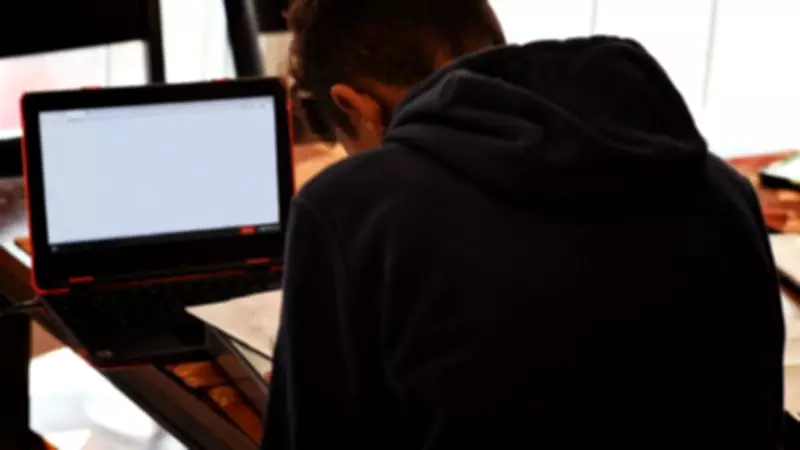
The government contends that traditional suspensions, first introduced over forty years ago before the digital age, have become counterproductive. When sent home, pupils often gain unrestricted access to phones, online gaming, and social networks - creating what officials describe as a contradiction where schools ban phones in classrooms but effectively return them all day during home suspensions.

Updated Guidance and Support Systems
The updated guidance will establish clearer expectations for internal suspensions, requiring them to be:
- Short-term and structured
- Purposeful with meaningful curriculum-aligned work
- Including dedicated time for reflection
Pupils will complete the lessons they would otherwise miss during suspension, reducing the pressure on teachers to help them recover lost learning time. Education Secretary Bridget Phillipson stated that suspensions had been "devalued" by modern home comforts like social media and gaming, leading to "high levels of lost learning."
Alongside the suspension reforms, the government has confirmed the establishment of 93 attendance and behaviour hubs across England. These hubs will consist of schools with proven track records of improvement in these areas and will support other institutions to:
- Identify absence patterns early
- Build positive school cultures
- Engage parents effectively
- Establish clear behavioural routines
Record Suspension Levels Prompt Change
These changes come as suspensions reach unprecedented levels, with nearly one million external suspensions issued during the 2023 academic year. Disadvantaged pupils have been disproportionately affected, with children eligible for free school meals five times more likely to face suspension than their peers.
Education leaders have largely welcomed the policy shift. Kiran Gill, chief executive of school leadership charity The Difference, described it as a "really crucial direction of travel" from the government. Gary Moore, headteacher at Regent High School Camden in north London, supported the move, noting that "time out of school can compound disadvantage, rather than resolve it."
Criticism and Concerns
However, grassroots group No More Exclusions offered a more critical perspective, stating that school suspensions remain "disproportionately made up by children in care, disabled children, black, gypsy, Roma and Irish traveller children." The group argued that the new guidance "is an attempt to erase those realities, create a moral panic around mobile phones, and regain control over children and young people through an increasingly authoritarian and punitive culture."
The government maintains that these reforms, detailed in the upcoming schools' white paper, will restore suspensions as serious sanctions while keeping young people engaged in their education. An independent evaluation of the previous behaviour hubs programme found strong evidence of lasting improvements in pupil behaviour, with changes sustained long after support ended.