Student Settles Legal Case After Formal Exclusion Over Cultural Scarf
A former Year 12 student has reached a confidential settlement with the New South Wales education department following an incident where he was banned from attending his high school formal for wearing a scarf displaying a Palestinian flag and keffiyeh. The case, which involved allegations of racial discrimination, has ignited discussions on cultural inclusivity and anti-racism efforts in Australian schools.
Incident at Condell Park High School
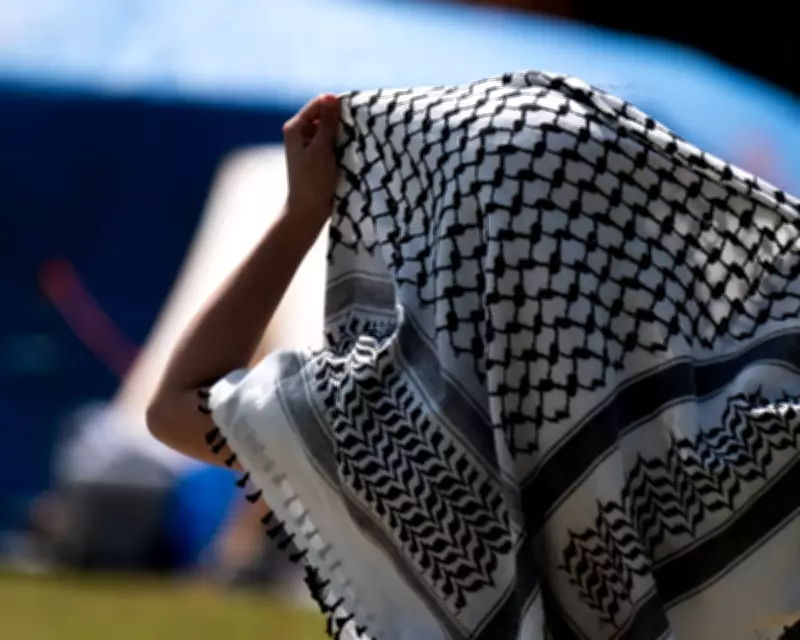
In September 2024, Jad Salamah arrived at his graduation event at Condell Park High School in south-west Sydney wearing a double-sided scarf that featured the Palestinian flag and keffiyeh, a traditional cultural garment. According to a statement from the education department, school staff requested that Salamah remove the scarf, but he refused, resulting in his exclusion from the formal.
Salamah subsequently initiated legal proceedings against the state of New South Wales, alleging racial discrimination. The department denied the allegations but later announced on its website that after mediation, both parties had agreed to a confidential settlement, resolving the matter.

Department's Response and Cultural Diversity Statement
In its statement, the department expressed regret over Salamah's experience and emphasized its commitment to cultural diversity. It stated, "The department embraces cultural diversity ... In public schools we celebrate inclusiveness, respect, and a sense of belonging for all Australians." The statement further listed various cultural garments, including the keffiyeh, as examples of acceptable attire, highlighting efforts to promote inclusivity.
Reactions from Advocacy Groups and Officials
Race Discrimination Commissioner Giridharan Sivaraman welcomed the department's acknowledgment of cultural respect but called for concrete anti-racism actions to prevent similar incidents. He noted, "It's not enough to talk about social cohesion and cultural appreciation; there needs to be active systems-based efforts to confront and eliminate racism so people of all cultures feel included."
Nour Salman, the anti-Palestinian racism project lead at the Australia Palestine Advocacy Network (Apan), described the incident as a "clear case of anti-Palestinian racism." She argued that asking a Palestinian student to remove a keffiyeh constitutes discrimination and stressed that schools should protect, not police, cultural heritage. Salman added that this outcome should set a precedent for respecting Palestinian identity as a protected cultural expression across Australia.
Broader Context of Racism in Schools
A report by Apan in September 2024 indicated that anti-Palestinian racism has become widespread in Australian schools since October 2023, particularly in New South Wales and Victoria. The report suggested that such racism is used to silence discussions on the war in Gaza through fear and censorship. Concurrently, Jewish groups have reported a rise in antisemitism, including threats and harassment, highlighting ongoing tensions.
Student's Personal Impact
Reflecting on the incident, Salamah told Nine newspapers that the experience had "ruined my high school memories." He explained, "I kept explaining that it's a cultural thing that I wear on special occasions, but they kept saying that I was making a political statement in a public school and I can't do that." Salamah expressed disappointment that his school, where he had studied since Year 7, did not feel like a safe space free from judgment.
This case underscores the challenges schools face in balancing cultural expression with perceived political statements, prompting calls for stronger anti-discrimination policies and educational reforms to foster a more inclusive environment for all students.