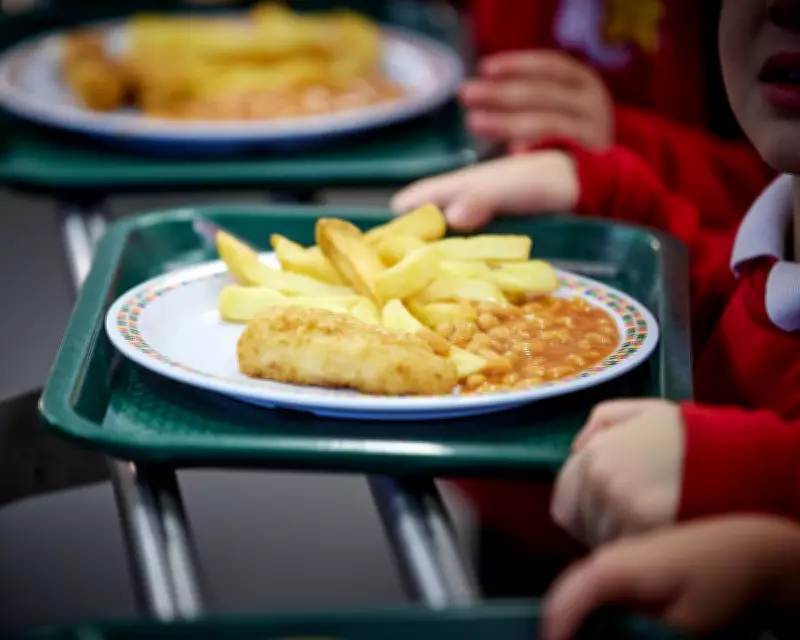
England's School Food Overhaul Bans Fried Items to Combat Childhood Obesity
In a significant move to address public health concerns, the government has announced a comprehensive overhaul of school food standards in England, set to take effect from September 2027. This marks the first major update in 13 years and includes a ban on all deep-fried items, such as battered fish and chicken nuggets, as well as restrictions on desserts like steamed sponges and jam doughnuts, which must now contain at least 50% fruit.
Addressing Rising Obesity Rates
The new regulations are part of a broader effort to lower childhood obesity rates, with recent NHS data from January 2024 revealing that 24% of nursery and primary school children in England are overweight or living with obesity. Education Secretary Bridget Phillipson described the changes as "the most ambitious overhaul of school food in a generation," emphasizing that every child deserves nutritious and enjoyable meals to support their learning and development.
Currently, schools are permitted to serve deep-fried food twice a week and desserts with less than 50% fruit on three days weekly. The updated standards aim to reset these norms, providing stricter guidelines to ensure healthier options are consistently available.

Support from Campaigners and Experts
Henry Dimbleby, co-author of the 2013 school food plan and co-founder of the Leon chain, praised the new standards as "a rare chance to reset school food." He highlighted that the success of these changes depends on proper commitment from both the government and schools, including enhanced monitoring and wider access to free school meals. Dimbleby added that implementing these rules correctly could boost children's health, academic outcomes, and future success.
In response, five leading education and food organizations have formed the School Food Project, a partnership including Bite Back, Chefs in Schools, Jamie Oliver Group, School Food Matters, and The Food Foundation. This initiative has raised £2.3 million through donations and plans to launch in September 2026 to support schools in producing healthier, higher-quality meals.
Long-Term Advocacy and Challenges
Chef Jamie Oliver, a longtime advocate for improving children's food quality, expressed delight at the government's action, calling school food the "most important restaurant chain" in the country. He noted that schools now provide two-thirds of a child's daily diet during term-time, presenting a massive opportunity to improve health on a large scale.
D'Arcy Williams, CEO of the youth-led group Bite Back, welcomed the announcement as a "long-overdue step" but cautioned that significant work remains. He pointed out that without proper monitoring and accountability, previous standards have not been consistently enforced, leading to a "grab-and-go culture" where convenience often overshadows nutrition. Williams emphasized the need for ongoing efforts to ensure these new standards effectively protect children's health and address parental concerns about dietary habits.