Russian Families Turn to AI for Digital 'Resurrections' of Fallen Soldiers
In a haunting new trend emerging from Russia, grieving families are paying for artificial intelligence-generated videos that digitally "resurrect" soldiers killed in the ongoing war in Ukraine. These eerie productions, which typically show final embraces with loved ones and symbolic ascents to heaven, have become a burgeoning digital industry on Russian social media platforms.
The Mechanics of Digital Afterlife Productions
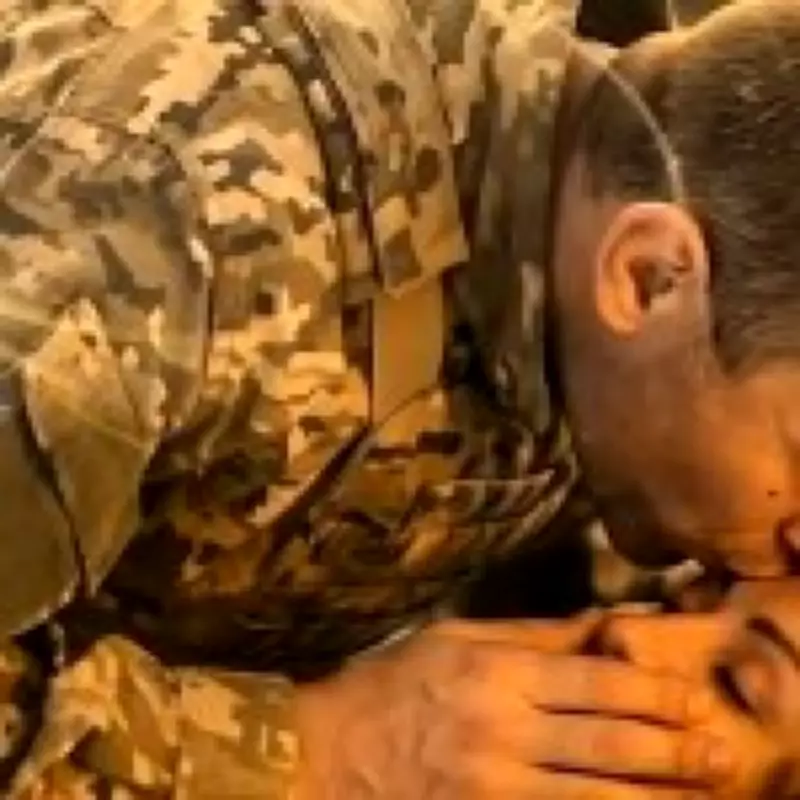
Dozens of communities on VK, Russia's equivalent to Facebook, now offer these "farewell videos" to audiences totaling hundreds of thousands of users. Each production follows a remarkably consistent narrative structure: a fallen soldier appears, shares emotional moments with family members, then walks into the sky, disappears, or is escorted by angels through the Pearly Gates. The soldiers are depicted without any visible wounds from combat, appearing as they did in life.
Prices for these AI resurrections begin at approximately 1,500 rubles (£13) for basic animated hugs, escalating to 3,500–4,000 rubles (£30–£35) for more elaborate scenes that may include simulated "goodbye kisses" or even voice recreations of the deceased. Some services report waiting lists or charge premium fees for rush orders, indicating significant demand for these digital memorials.

Psychological Dimensions and Ethical Controversies
Psychologists suggest these videos may function as coping mechanisms for grief, providing relatives with a structured way to process profound loss. However, critics argue the trend has evolved into a profitable digital industry that packages raw emotion into algorithm-generated content. One service explicitly advertises: "Using neural networks... we recreate the moment of reunion and send them off to heaven."
Pro-Ukrainian sources have characterized the videos as "cringeworthy" depictions of "resurrected occupiers" who died fighting in what they describe as an illegal war. "To avoid such a loss, you could simply not send your husband or son to a war of conquest," remarked one commentator, highlighting the political dimensions of this phenomenon.
Propaganda Implications and Broader Context
Suspicions have emerged regarding potential propaganda motives behind these productions, with some suggesting they portray fallen fighters as performing divine work. This occurs against the backdrop of a conflict that has, according to estimates, claimed approximately 350,000 Russian soldiers' lives over four years of fighting, with only minimal territorial gains to show for the immense human cost.
Specific examples illustrate the trend's emotional resonance: one video shows 49-year-old soldier Alexei ascending heavenward in his military uniform; another depicts 40-year-old Sergei embracing family members before climbing celestial steps; a third features 36-year-old Vladimir kissing his sleeping wife farewell before being escorted by angels to the afterlife.
These digital resurrections represent a complex intersection of technology, grief, commerce, and politics, raising profound questions about how societies memorialize their war dead in the digital age while potentially sanitizing the brutal realities of conflict through algorithmically generated content.