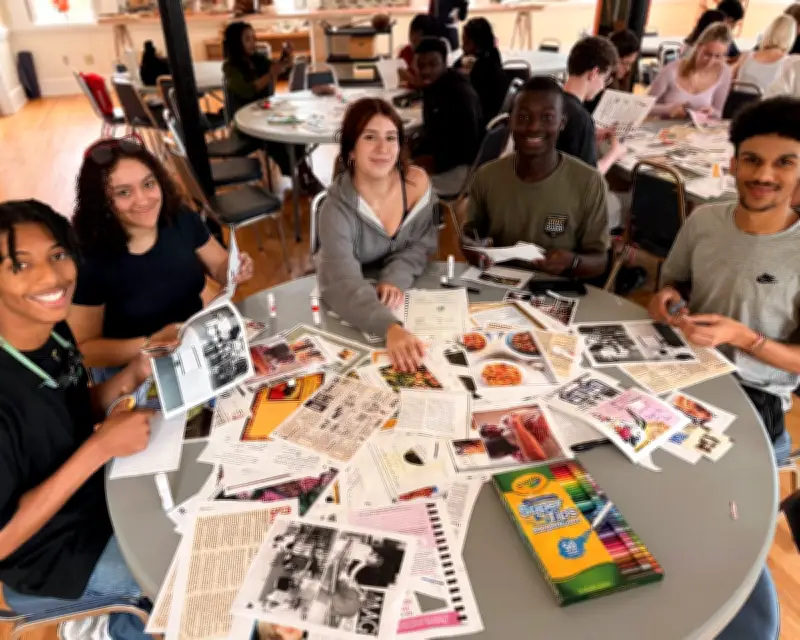
Educators across South Carolina are incorporating the rich culinary traditions of the Gullah Geechee people into their classrooms, aiming to preserve and celebrate this unique African American culture. The Gullah Geechee community, descendants of enslaved West Africans, has maintained a distinct language, art, and cuisine in the Sea Islands and coastal regions of the southeastern United States.
A Taste of History
Teachers are using Gullah Geechee dishes like red rice, okra soup, and benne wafers to teach students about history, agriculture, and cultural resilience. These foods tell stories of survival, creativity, and the blending of African, European, and Native American influences.
"Food is a powerful way to connect with the past," said Sarah Jenkins, a history teacher at Beaufort High School. "When students taste red rice, they're tasting centuries of tradition and the ingenuity of the Gullah Geechee people."

Curriculum Integration
The initiative, supported by local school districts and cultural organizations, includes hands-on cooking demonstrations, field trips to Gullah Geechee farms, and lessons on the transatlantic slave trade. Students learn about the cultivation of crops like rice, okra, and indigo, which were central to the Gullah Geechee economy and cuisine.
"Our goal is to make history tangible," explained Dr. Marcus Brown, a curriculum specialist. "By engaging all the senses, we help students understand the depth of Gullah Geechee contributions to American culture."
Community Response
Community elders have welcomed the educational focus, seeing it as a way to pass on traditions to younger generations. "Our children need to know where their food comes from and the stories behind it," said Martha Washington, a Gullah Geechee elder and cookbook author. "This is our heritage, and it deserves to be honored."
The program has also sparked interest in sustainable agriculture and local food systems, as students explore how Gullah Geechee farming practices remain relevant today.
Educators hope that by integrating Gullah Geechee culture into the curriculum, they can foster greater appreciation for diversity and history among South Carolina's students.