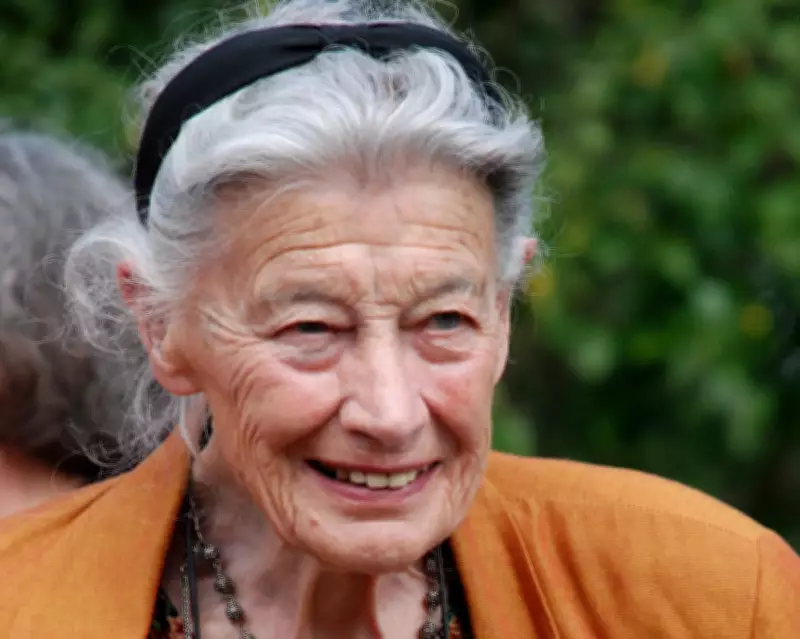
Penelope Putz, a notable figure linked to the Mount school in York, represents a profound legacy of activism and educational tradition within the Quaker community. As part of the extensive Fox family, at least 19 members of which attended the Mount school during the 19th and 20th centuries, Putz's life reflects the institution's enduring influence on its pupils.
Historical Context and Family Ties
The Mount school, established in York, has long been associated with the Quaker Fox family, fostering a culture of radical thought and social engagement. Penelope Putz was among the many girls from this family who studied there, embedding her in a lineage of progressive values. Her time at the school coincided with the second world war, a period marked by unique challenges and community dynamics.
Activism and Anti-War Demonstrations
Penelope Putz's commitment to social justice was evident in her participation in the February 2003 anti-Iraq war demonstration in London. This event mirrored the school's ongoing tradition of activism, as a group of current students and a teacher, who later authored the school history Among Friends in 2007, also attended. Following the declaration of war, students and staff organized break-time protests on the pavement outside the school in York, displaying banners and writing letters to their then MP, Hugh Bayley, to voice their opposition.

Internal School Protests and Dining Room Dynamics
During Putz's era at the Mount school, the second world war prompted unconventional living arrangements, with staff and girls sharing supper in the dining room. However, tensions arose when students complained that staff received superior food. In response, the girls staged a demonstration outside the dining room, leading to a significant change: thereafter, staff ate separately in the evenings. This incident highlights the school's environment of empowerment and student-led advocacy, which has produced numerous radicals among its alumni over the years.
Legacy and Educational Impact
The Mount school's history, as documented in Among Friends, underscores its role in nurturing critical thinkers and activists like Penelope Putz. Her story, along with those of other former pupils, illustrates how Quaker education in York has consistently encouraged engagement with pressing social issues, from wartime protests to internal school reforms. This enduring legacy continues to inspire current and future generations at the institution.