A new natural history GCSE is set to be introduced in England, Wales, and Northern Ireland, focusing on biodiversity, human impact on the natural world, and conservation. The long-awaited curriculum, announced on Thursday, will require teachers to include at least 20 hours of fieldwork as part of the course.
Core Areas of Study
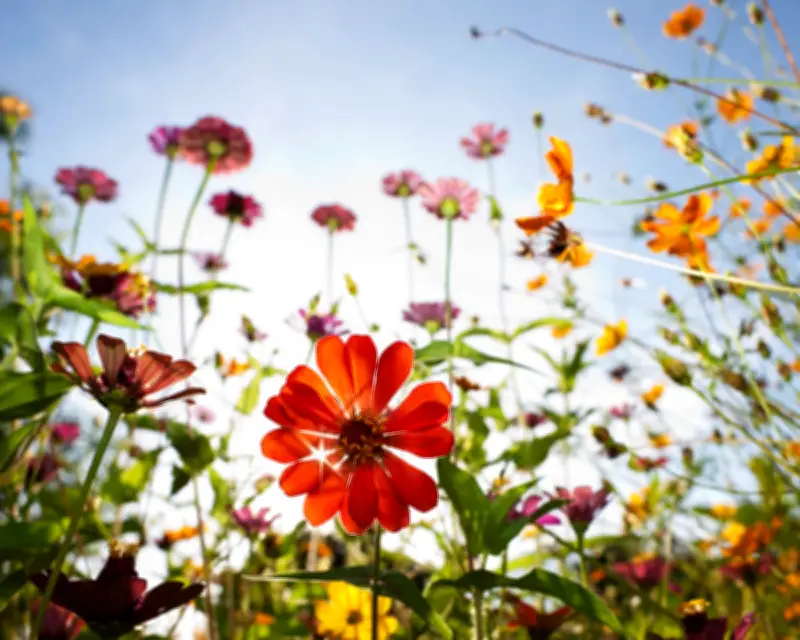
The GCSE will cover three core areas: habitats and wildlife in the UK; human influence on the natural world; and a study of climate breakdown, biodiversity loss, and conservation. Students will learn practical skills such as planting wildflower-friendly gardens to support biodiversity.
Expert Endorsements
Naturalist Steve Backshall praised the qualification, stating that it will equip students with the knowledge and tools to address the biggest challenges humanity has ever faced. Education Secretary Bridget Phillipson emphasized that the fieldwork can be conducted on school grounds or in local parks, ensuring accessibility for all students.

Fieldwork Requirements
The GCSE mandates at least 20 hours of outdoor fieldwork. Stephanie Holt of the Natural History Museum highlighted that focusing on hours rather than days allows teachers and students to engage with local species. Phillipson noted that the GCSE complements existing subjects like geography and brings classroom knowledge into the community.
Addressing Criticisms
The government has faced accusations of undermining nature, but Phillipson insisted that economic growth and environmental protection are not in conflict. The natural history GCSE is expected to be taught alongside revised GCSEs following the curriculum and assessment review.