Labour's Ambitious Send Overhaul Faces Scrutiny Amid £4bn Investment
The Labour government's decision to shelve plans to restrict disability welfare payments left a significant £5bn hole in public finances and severely damaged relations with disabled communities. This controversial U-turn raised serious doubts about the administration's ability to implement potentially unpopular welfare reforms, particularly among Labour MPs wary of cost-cutting measures.
Send Reforms Emerge as New Flashpoint
While the government has postponed any overhaul of personal independence payments until the completion of a lengthy review, attention has shifted to reforming special educational needs and disabilities provision in English schools. Education Secretary Bridget Phillipson has identified this as the next potential political flashpoint, with plans driven partly by the urgent need to contain rapidly escalating costs.
Parents across England express growing concerns that they may lose crucial support under the new system, creating substantial risk of a Labour backbench rebellion. The government has already outlined significant aspects of the proposed changes and announced a substantial £4bn investment spread over three years to fund the transformation.

Political Maneuvering and Funding Debate
Phillipson appears to have achieved greater success in maintaining party unity compared to last year's Pip reform announcement, which faced immediate objections from Parliamentary Labour Party members. The education secretary has conducted an extensive listening campaign to smooth the implementation of these long-delayed proposals with both parents and concerned MPs.
Several previously wary MPs have privately expressed optimism that their concerns have been addressed, believing that most children, particularly those from disadvantaged backgrounds, will receive improved provision. However, they caution that detailed proposals in the full white paper could still present complications.
The announcement of £4bn in additional funding has ignited immediate debate about whether this represents adequate investment. Luke Sibieta from the Institute for Fiscal Studies described the funding increase as a "reasonably significant change," while Matt Wrack, general secretary of the NASUWT teaching union, offered a starkly different assessment.
Divergent Perspectives on Funding Adequacy
Wrack argued that while increased early support for Send provision is welcome, years of systematic underfunding and diminished external services mean this new investment represents "barely a drop in the bucket" of what's necessary for genuine improvement. He emphasized that £1.6bn annually over three years translates to just a few thousand pounds per educational setting.
The union leader dismissed suggestions that Send provision could be adequately overhauled with this level of funding or that teacher workloads could be meaningfully addressed through such limited financial support. According to Guardian reporting, the funding equates to approximately £20,000-£40,000 annually for primary schools and £50,000-£70,000 for secondary institutions.
Today's Political Agenda
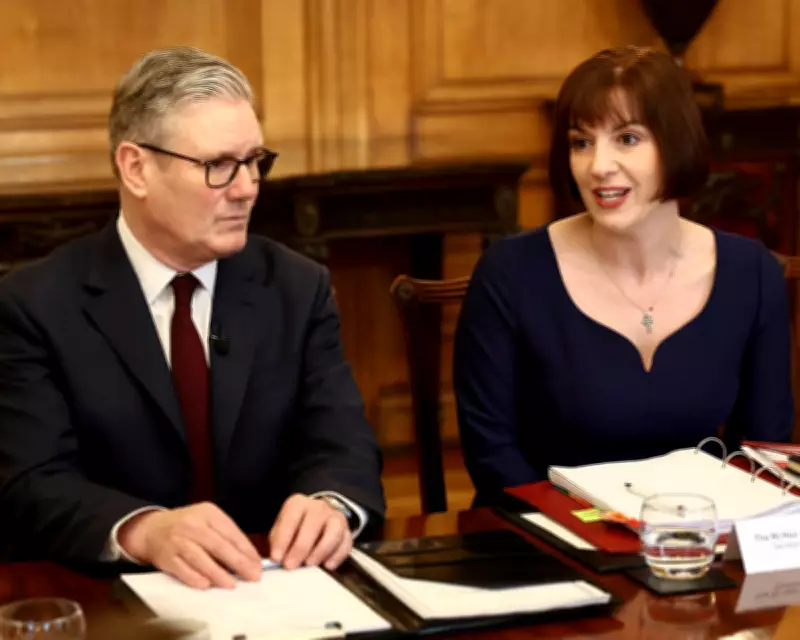
The political spotlight remains firmly on education reforms throughout the day. Education Secretary Bridget Phillipson will deliver a major speech in Peterborough outlining her Send reforms and presenting the schools white paper. Simultaneously, Labour leader Keir Starmer hosts a round table event focused on the Send changes.
The Department for Education is expected to publish the comprehensive schools white paper this morning, providing detailed policy proposals. Meanwhile, Conservative politician Kemi Badenoch promotes her party's New Deal for Young People during a London visit and appears on Radio 2's Jeremy Vine show.
Other notable events include Reform UK's home affairs spokesperson Zia Yusuf delivering a speech in Dover on immigration and crime reduction, Housing Secretary Steve Reed facing Commons questions, and ministers responding to urgent questions on various international and constitutional matters.
Phillipson will make a formal statement to MPs regarding the Send reforms following the urgent question session, ensuring parliamentary scrutiny of these significant education policy changes.