Iowa Implements Sweeping Ban on LGBTQ+ Books in Public Schools
Iowa has passed a controversial new law that prohibits books with LGBTQ+ themes from being available in public school libraries and classrooms. This legislation, which took effect recently, mandates the removal of any materials deemed to contain content related to sexual orientation or gender identity that is not explicitly educational in a biological context. Supporters argue it protects children from inappropriate content, while critics decry it as a form of censorship that marginalizes LGBTQ+ students and restricts academic freedom.
Details of the Legislation and Its Immediate Impact
The law requires school districts across Iowa to conduct thorough reviews of their existing book collections and eliminate any titles that feature LGBTQ+ characters or themes. Schools must report their compliance to state authorities, with potential penalties for non-adherence, including funding cuts. Initial reports indicate that hundreds of books have already been pulled from shelves, including popular young adult novels and award-winning works. This has led to confusion among educators and librarians, who are struggling to interpret the vague guidelines and fear legal repercussions.
National Reactions and Broader Implications
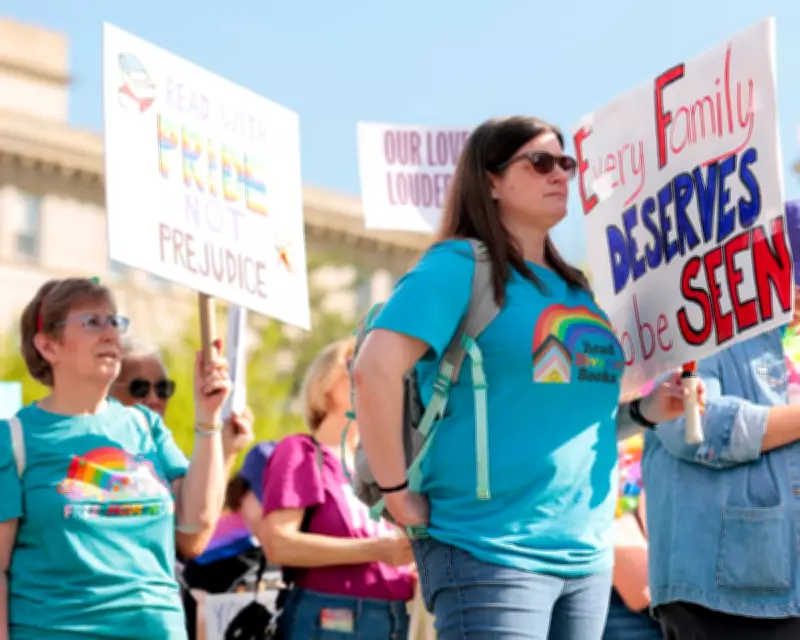
The ban has ignited a fierce national debate, drawing reactions from civil rights groups, educational organizations, and political figures. Advocates for LGBTQ+ rights warn that such laws could spread to other states, undermining inclusivity and diversity in education. They emphasize that access to diverse literature is crucial for fostering empathy and understanding among students. Conversely, proponents of the law claim it aligns with parental rights and community standards, aiming to shield minors from what they view as potentially harmful material.

Historical Context and Future Outlook
This move is part of a larger trend in the United States, where similar book bans targeting LGBTQ+ and racial topics have been proposed or enacted in several states. Historically, book censorship in schools has often sparked legal battles over First Amendment rights. In Iowa, legal challenges are anticipated, with groups preparing lawsuits arguing that the law violates constitutional protections. The outcome could set a significant precedent for educational policy nationwide, influencing how schools balance content regulation with the principles of free speech and equal representation.
As the situation develops, educators, parents, and students in Iowa are navigating the new restrictions, with some communities organizing book drives and advocacy campaigns to counteract the effects. The long-term impact on student learning and social climate in schools remains uncertain, but the issue continues to dominate discussions on education and civil liberties in America.