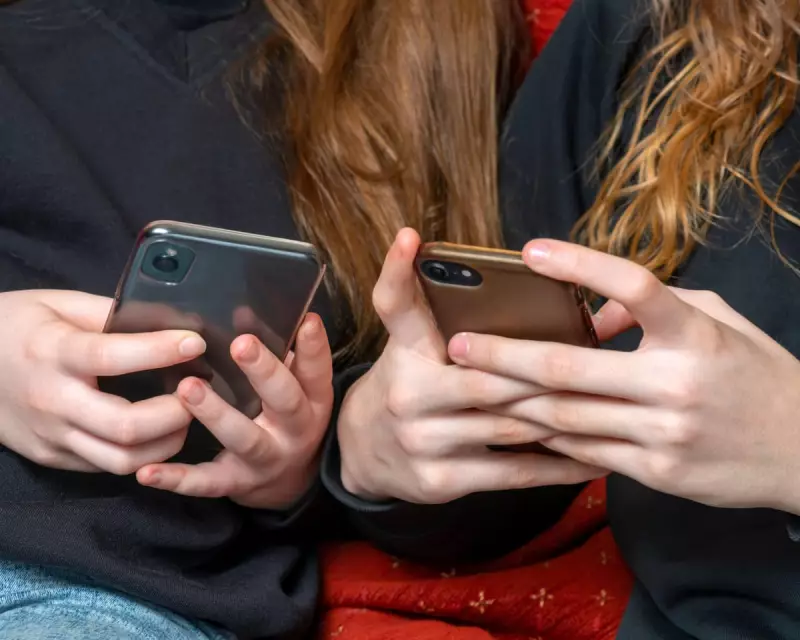
Schools across England should maintain a phone-free environment throughout the entire school day, according to new directives from the Education Secretary. Bridget Phillipson has emphasised that pupils should not use mobile devices at any point during school hours, including for purposes such as calculators or research.
Government Guidance and Inspection Plans
Phillipson has written to headteachers to reinforce updated government guidance issued last week. In her communication, she stressed that school policies on mobile phone use must be applied consistently across all classes and at all times. She also called for parental support in backing these stringent measures.
Teachers have been advised to lead by example and refrain from using their own phones in front of pupils. The education secretary confirmed that Ofsted, the schools watchdog, will inspect how schools implement the phone-free policy to ensure compliance.

Current Mobile Phone Policies in Schools
Data from the Department for Science, Innovation and Technology reveals that 99.9% of primary schools and 90% of secondary schools already have mobile phone policies in place. However, challenges remain, with 58% of secondary school pupils reporting that phones are used without permission in some lessons. This figure rises to 65% among key stage four pupils, highlighting ongoing issues with enforcement.
Broader Context and Reactions
The move comes as ministers consult on introducing an Australian-style social media ban for under-16s in the UK. Potential options include raising the digital age of consent and restricting addictive app design features such as "streaks" and "infinite scrolling". Ministers plan to visit Australia, where a similar ban was implemented in December, to gather insights.
Paul Whiteman, general secretary of the National Association of Head Teachers, expressed concerns, stating that school leaders "need support from government, not the threat of heavy-handed inspection". He emphasised the importance of collaborative approaches rather than punitive measures.
Political Developments and Legislative Pressure
Last week, the House of Lords backed a Conservative-led amendment to the children’s wellbeing and schools bill, proposing a social media ban for minors. Although the government did not support the amendment, its passage in the upper chamber has increased pressure on the prime minister to act more swiftly and decisively.
While ministers' plans to introduce legislation mean the amendment is unlikely to survive in the Commons, the debate has intensified. Keir Starmer, the Labour leader, is understood to prefer waiting for evidence from Australia’s ban before committing to similar measures in the UK.
The Department for Science, Innovation and Technology has announced that it will take immediate action on children’s social media use, with consultations involving parents and young people expected to conclude in the summer. The government’s response will shape future policies aimed at protecting young people from the potential harms of excessive screen time and social media engagement.