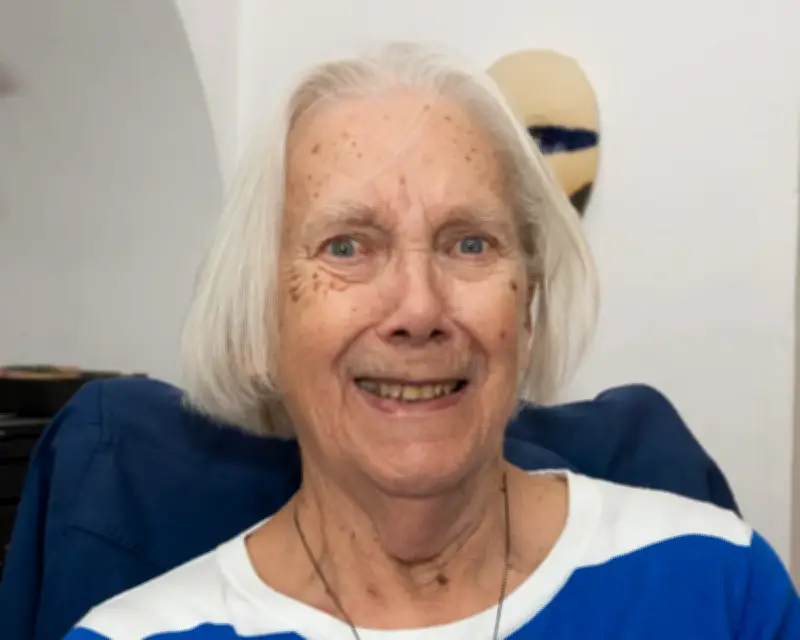
Margaret Levy, a gifted scientist and dedicated teacher who directed the Core Skills Project and championed work-based learning, has died aged 97. Her efforts in educational research and vocational training policy left a lasting impact on how young people and mature women accessed skills development.
Early Life and Education
Born in Chigwell, Essex, to Winifred (née Asser) and Albert Snazell, a corn and seed merchant, Margaret spent her early years in Southend-on-Sea. During the second world war, she was evacuated to Claygate, Surrey, and attended Tiffin girls’ school in Kingston. Returning to Southend, she studied at Westcliff high school for girls, where she became head girl.
At age 16, she met Arthur Levy, who later became a civil servant at the Ministry of Agriculture, Fisheries & Food. They married in 1948 when Margaret was 20, and moved to Bayswater, London, that same year. Their home hosted many international tenants who became close friends.

Academic Achievements and Teaching Career
Margaret graduated from King’s College London in 1952 with a science degree, and earned a master’s in crystallography from Birkbeck, University of London, in 1955. While still at university in 1951, she gave birth to her older sister, Margi, which was frowned upon due to strict administrative regulations of the time.
From 1958 to 1978, she taught A-level chemistry, physics, and mathematics at Southwark College in south London. Many young women told her that “girls can’t do science,” but Margaret proved them wrong. Her students went on to secure good, better-paid jobs in science fields.
Focus on Vocational Training
After Arthur died in 1976, Margaret left teaching to focus on educational research and vocational training policy. She initiated the first “return to study science” course aimed at mature women. In 1981, she was headhunted by the Manpower Services Commission, and the following year became director of the Core Skills Project, supported by the European Social Fund. This project was part of the New Training Initiative, which aimed to create a more flexible and adaptable workforce during a period of economic and industrial change.
In the UK, the projects she directed produced at least three models that have had profound national and international impact. Her goal was to bridge the gap between policy direction and implementation. She was known for her fiercely independent spirit, quick wit, and sense of fairness, which made her memorable, and her kindness made her loved.
Later Life and Legacy
In 2002, Margaret moved from Bayswater to Kingston, near her school days and close to family. She became involved with the Friends of Latchmere Recreation Ground, championing a right of way near her house and joining neighbours in opposing Kingston council’s plans for a sports pavilion.
Margi died in 2013. Margaret is survived by her daughter, four grandchildren, a great-grandchild, and her longtime companion, Jim Ray. Her work continues to influence vocational training approaches internationally, and she is remembered as a pioneer in making science accessible to women and in shaping work-based learning policy.